
What do I grow? (And when does it bloom?)
A question I get asked all the time when I tell people I’m a flower farmer (and normally my mind promptly goes blank and I can’t think of a single flower name!)
I used to think flower growers weren’t people like me but instead worked in vast greenhouses in Holland producing masses of uniform stems of the cut flowers we are surrounded by in supermarkets like Roses, Carnations, Gypsophila etc. When I tell people what I do, I think many expect that I specialise in one particular type of flower but for most cut flower growers in the UK, this is far from the case.
Discovering the world of British cut flower growing was a revelation. As a member of Flowers from the Farm, the vast majority of us are growing a wide variety of crops, predominantly outdoors and in tune with the seasons without the use of additional heat and light. This gives us a changing feast of flowers through the year with peaks and troughs of production that we plan as carefully as we can, mindful that the weather, pests and disease are not always working with us. No matter what nature throws at us we do our best to create as long as possible a cut flower season ideally running from March/April - October/November.
For the flower season, this is just a small selection what I hope to blooming each month.. I say hope because there are no guarantees when it comes to farming!
March/April
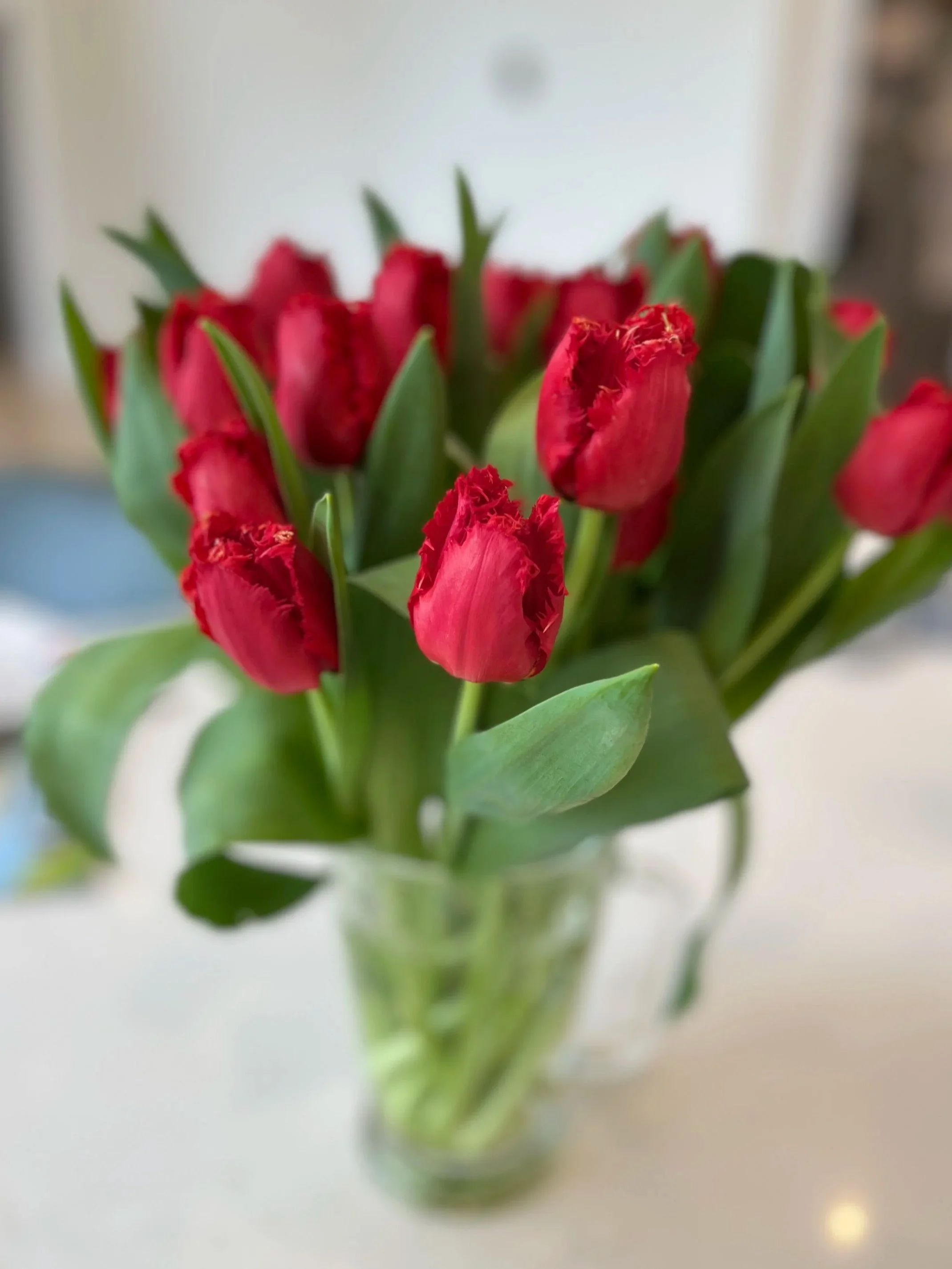
The flowers begin to arrive with delicate spring bulbs leading the way before the blossoms and blooms arrive to steal the show.
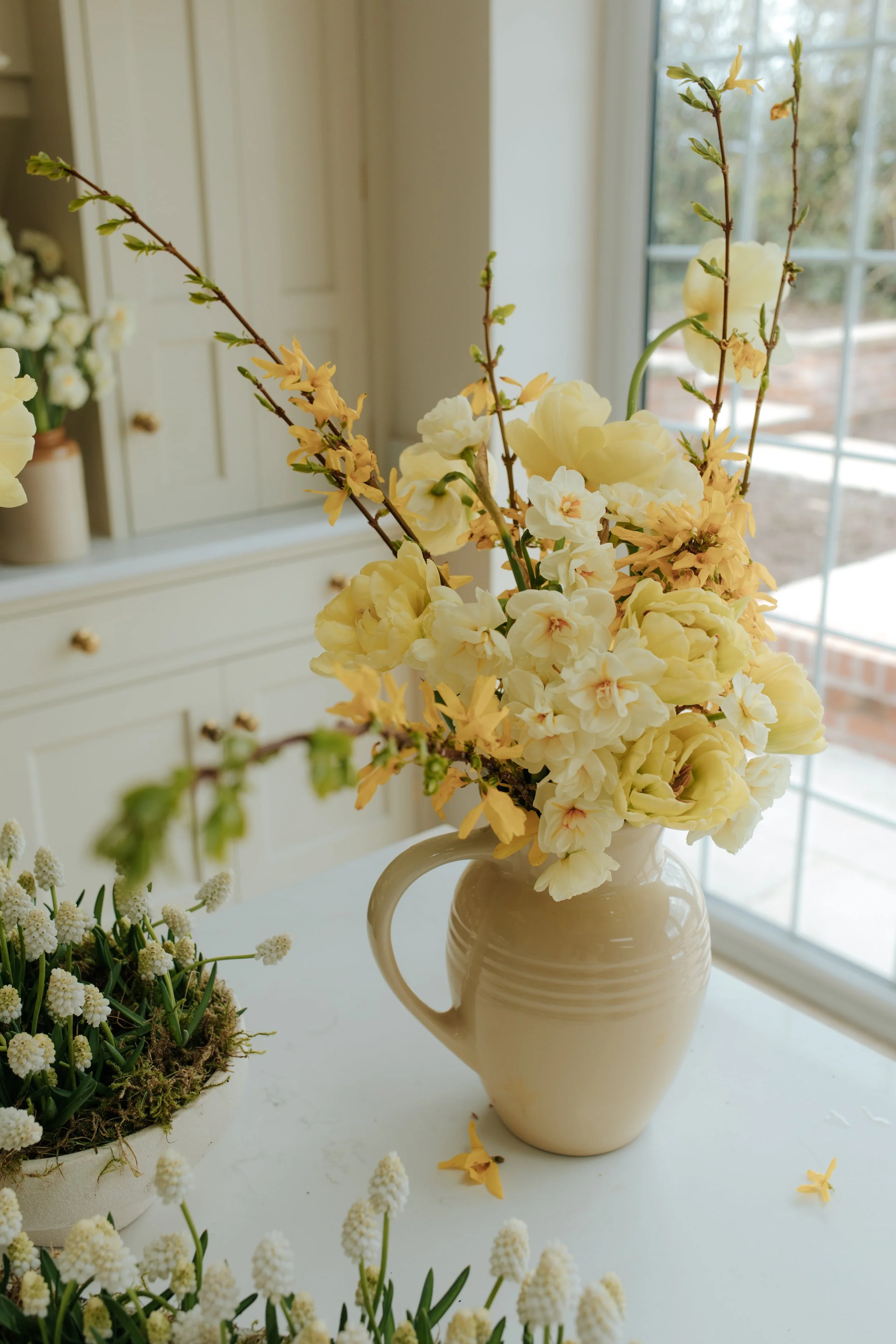
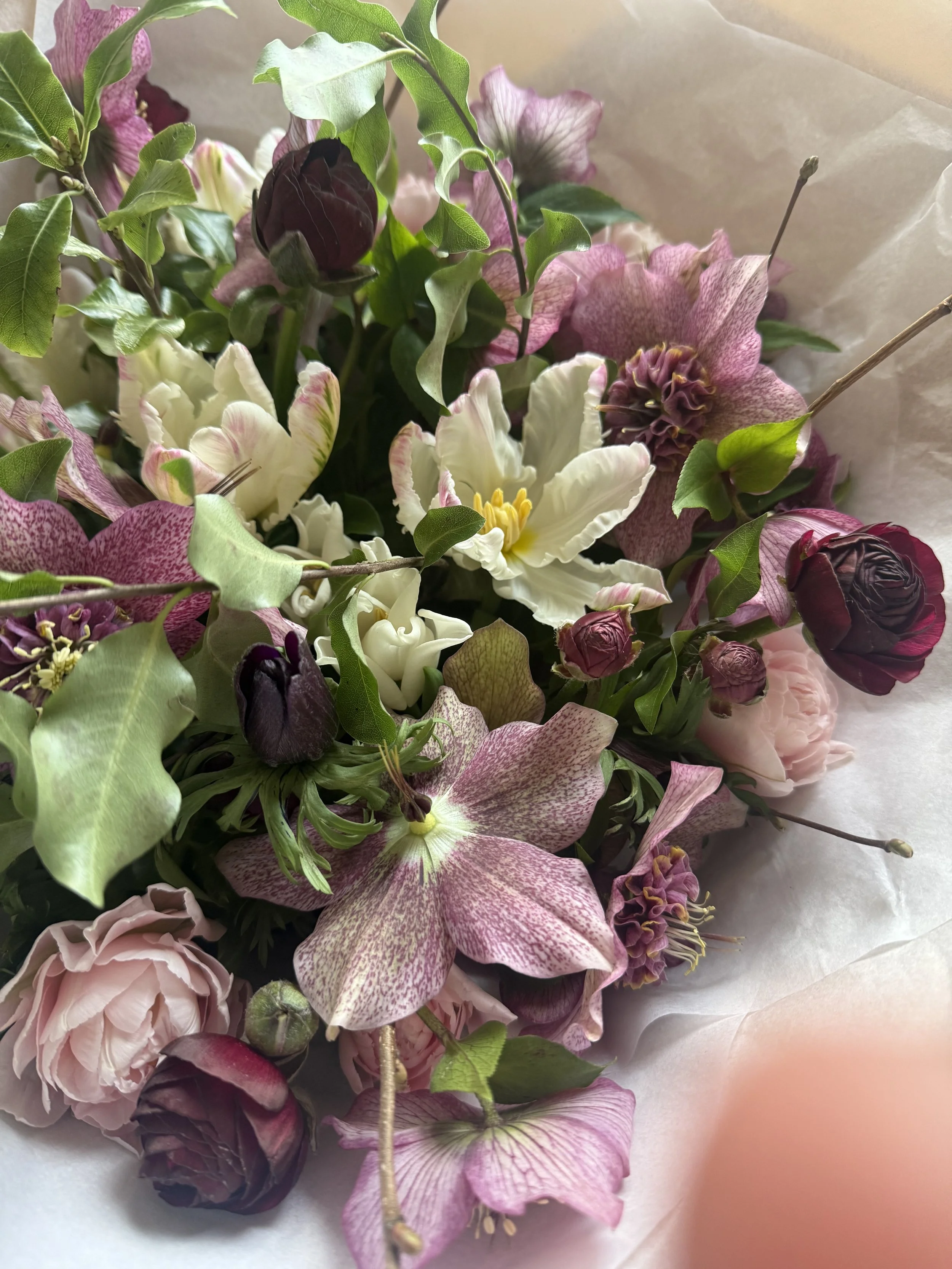
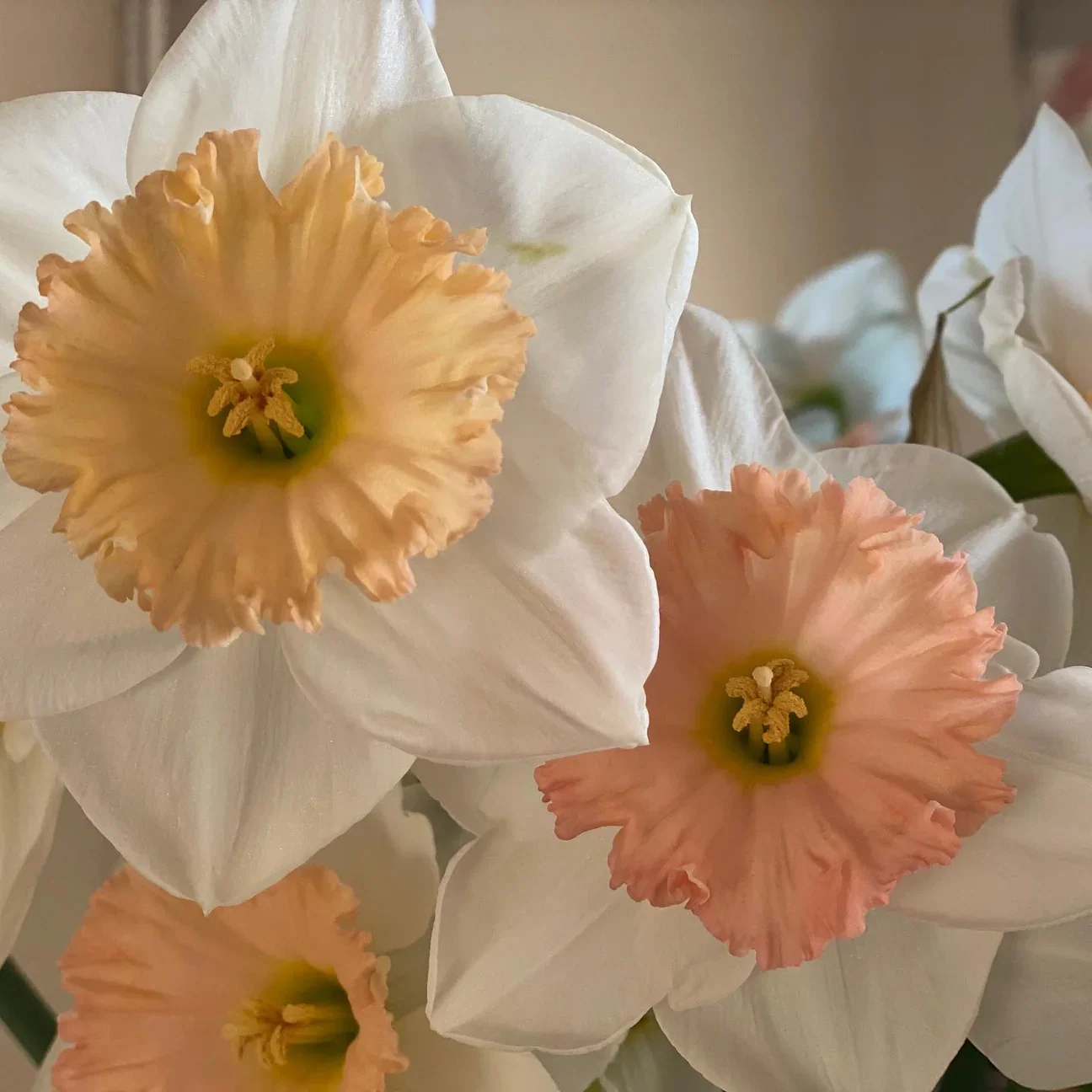
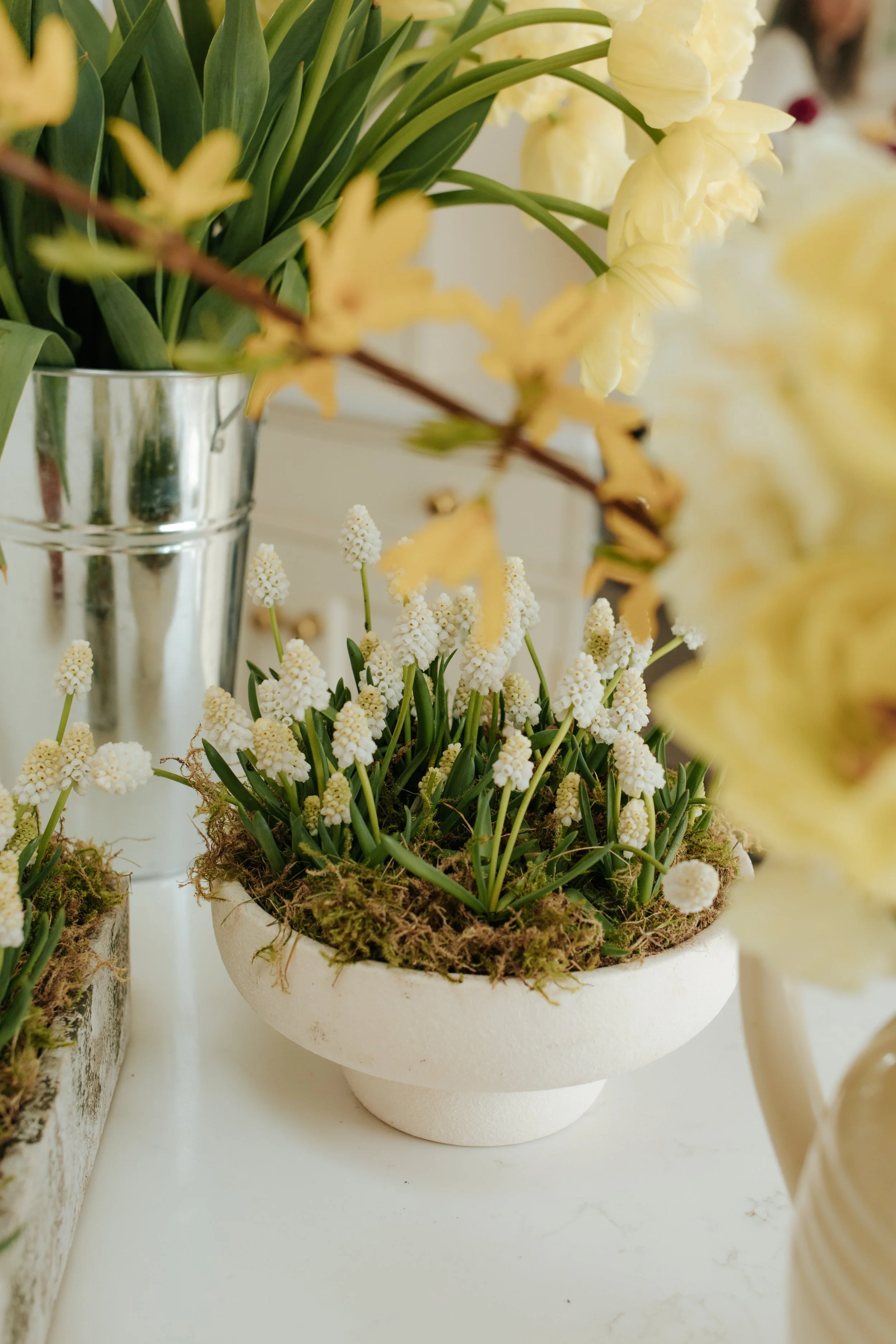
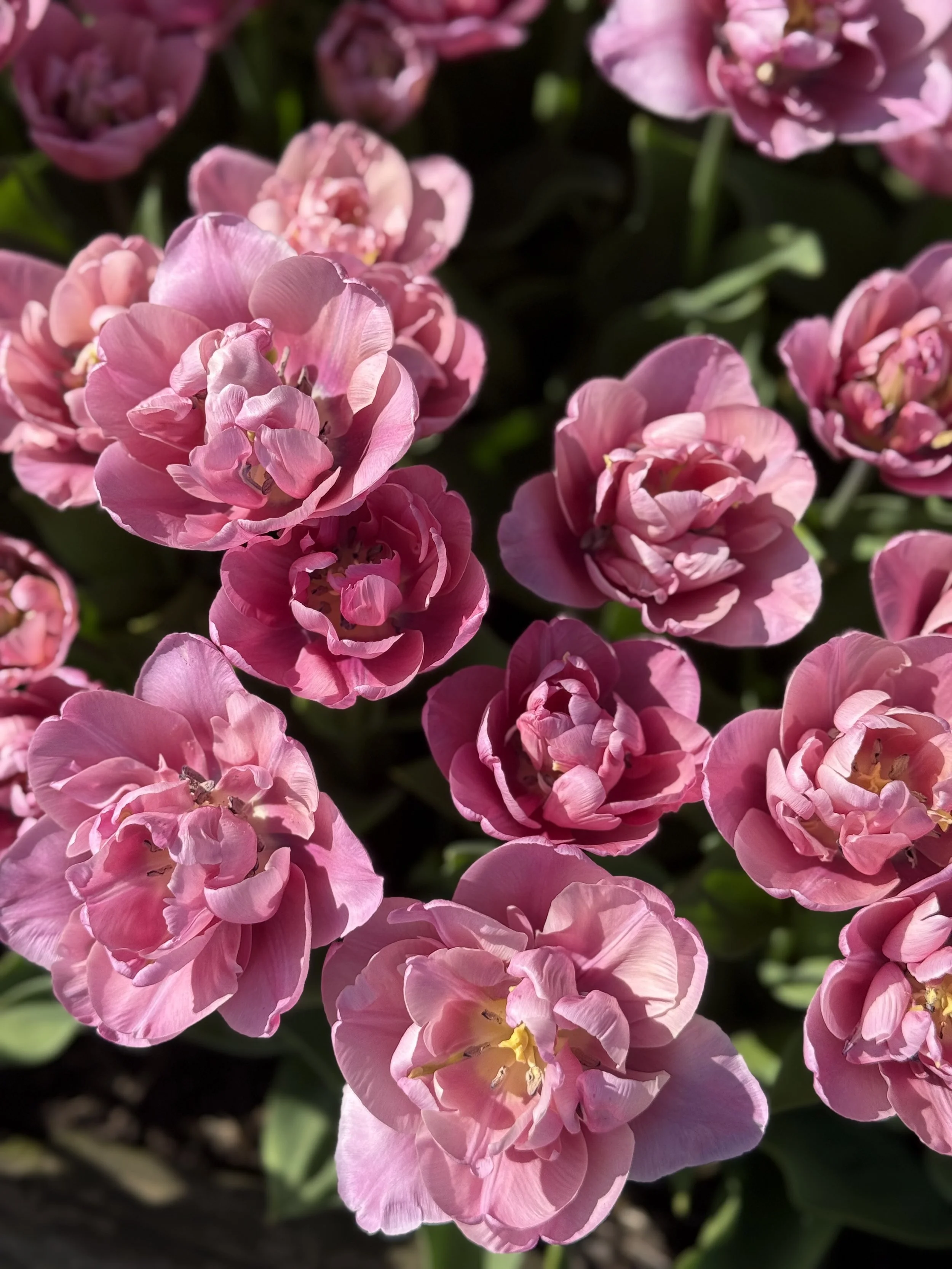
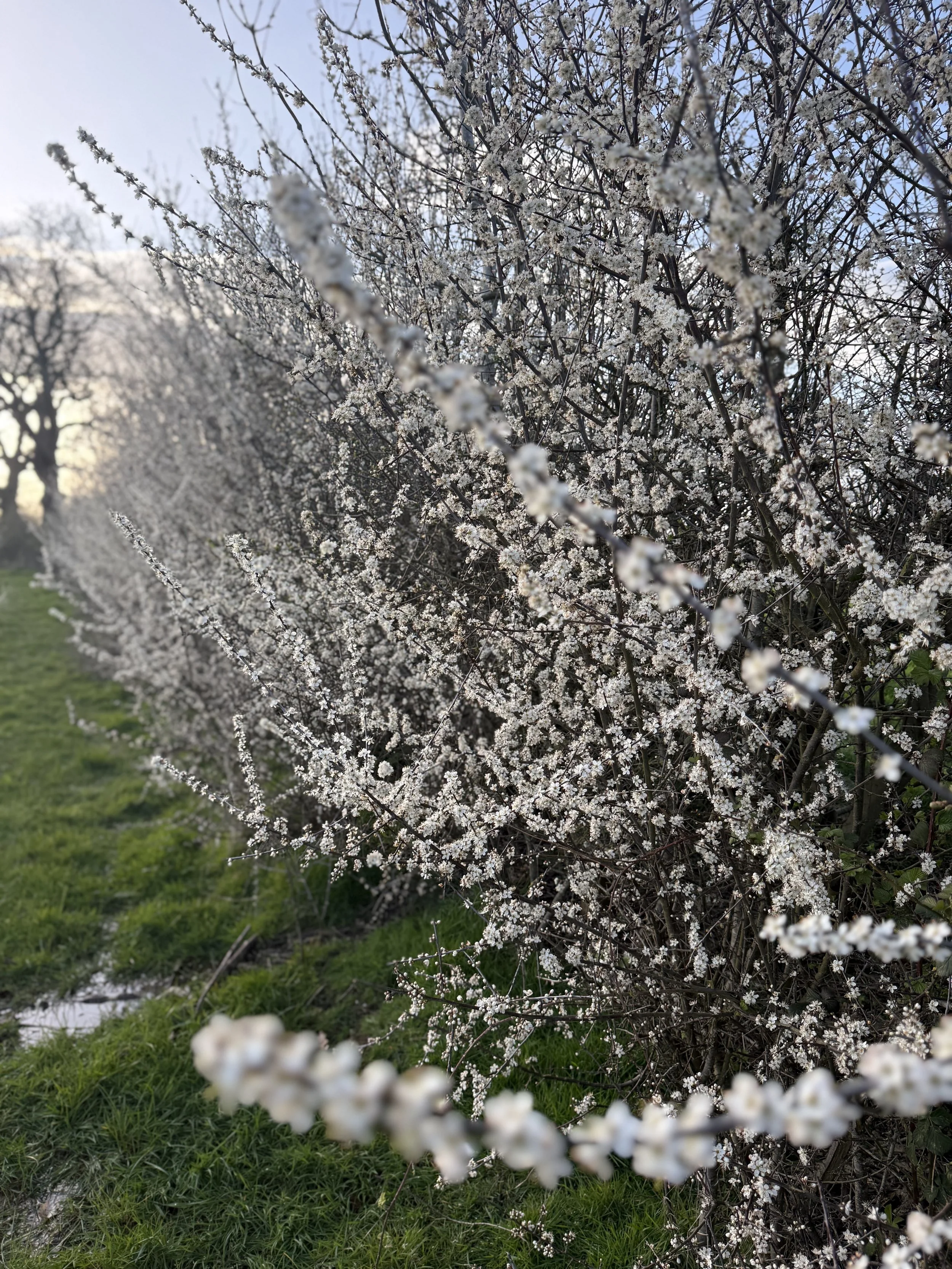
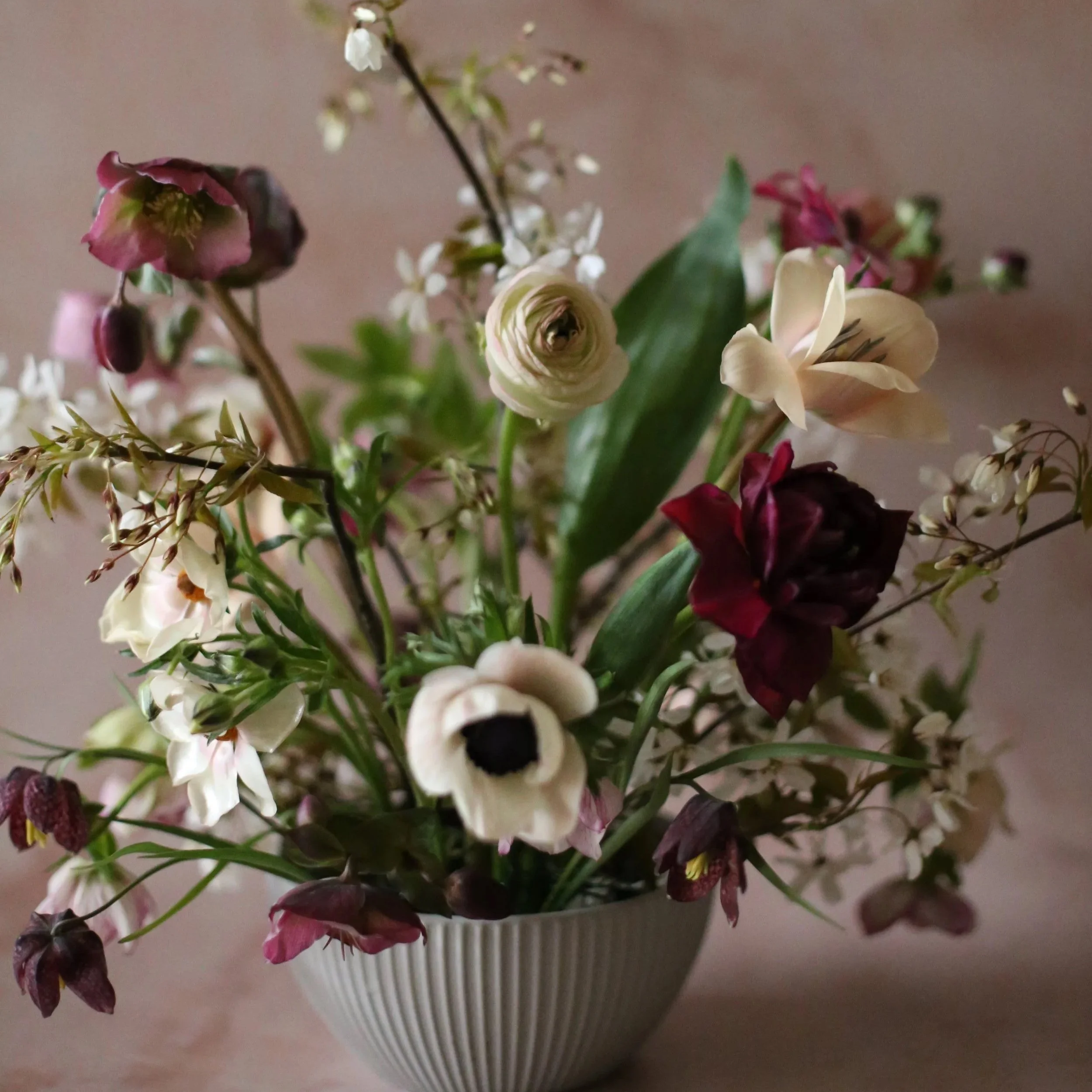
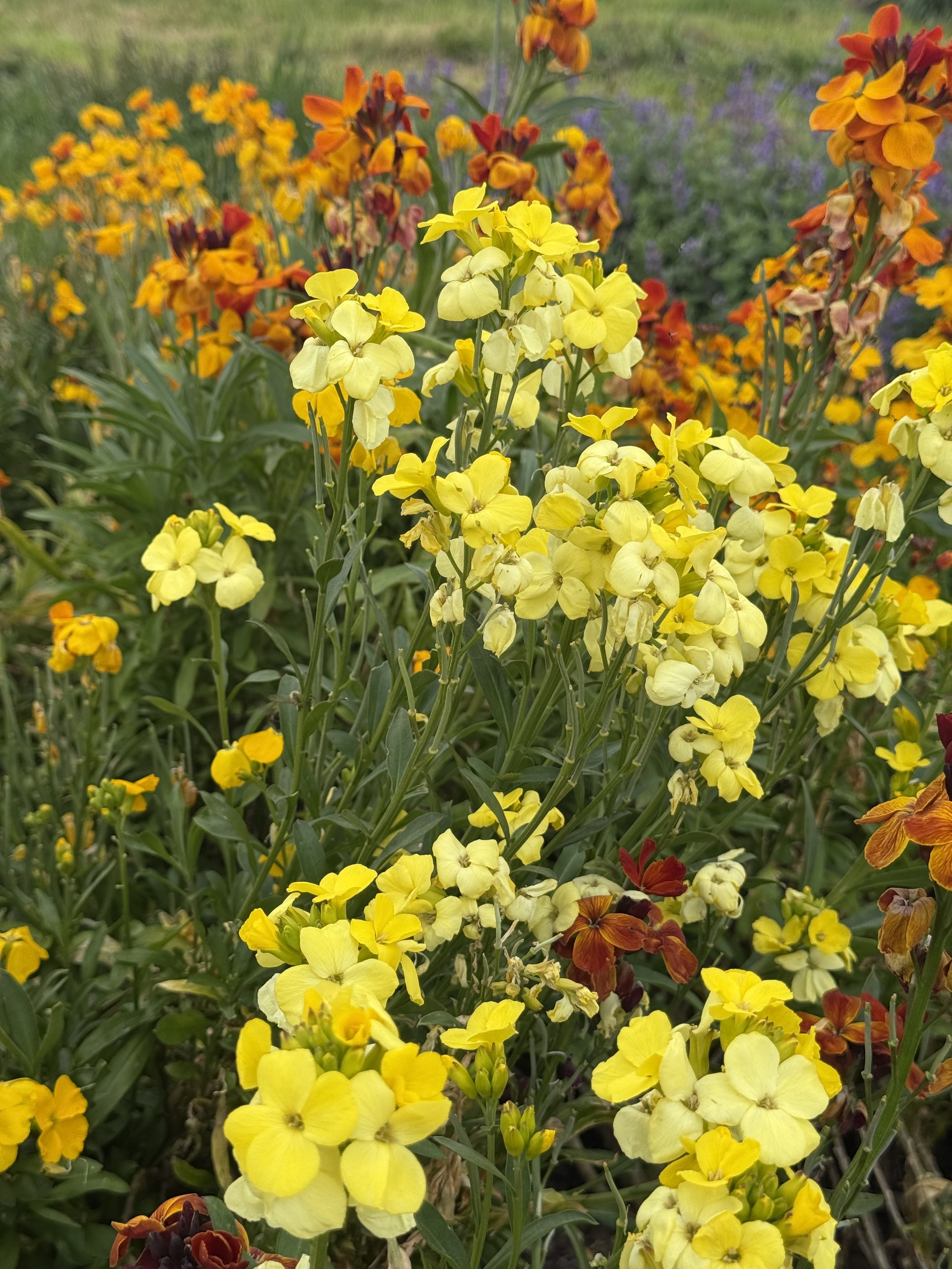
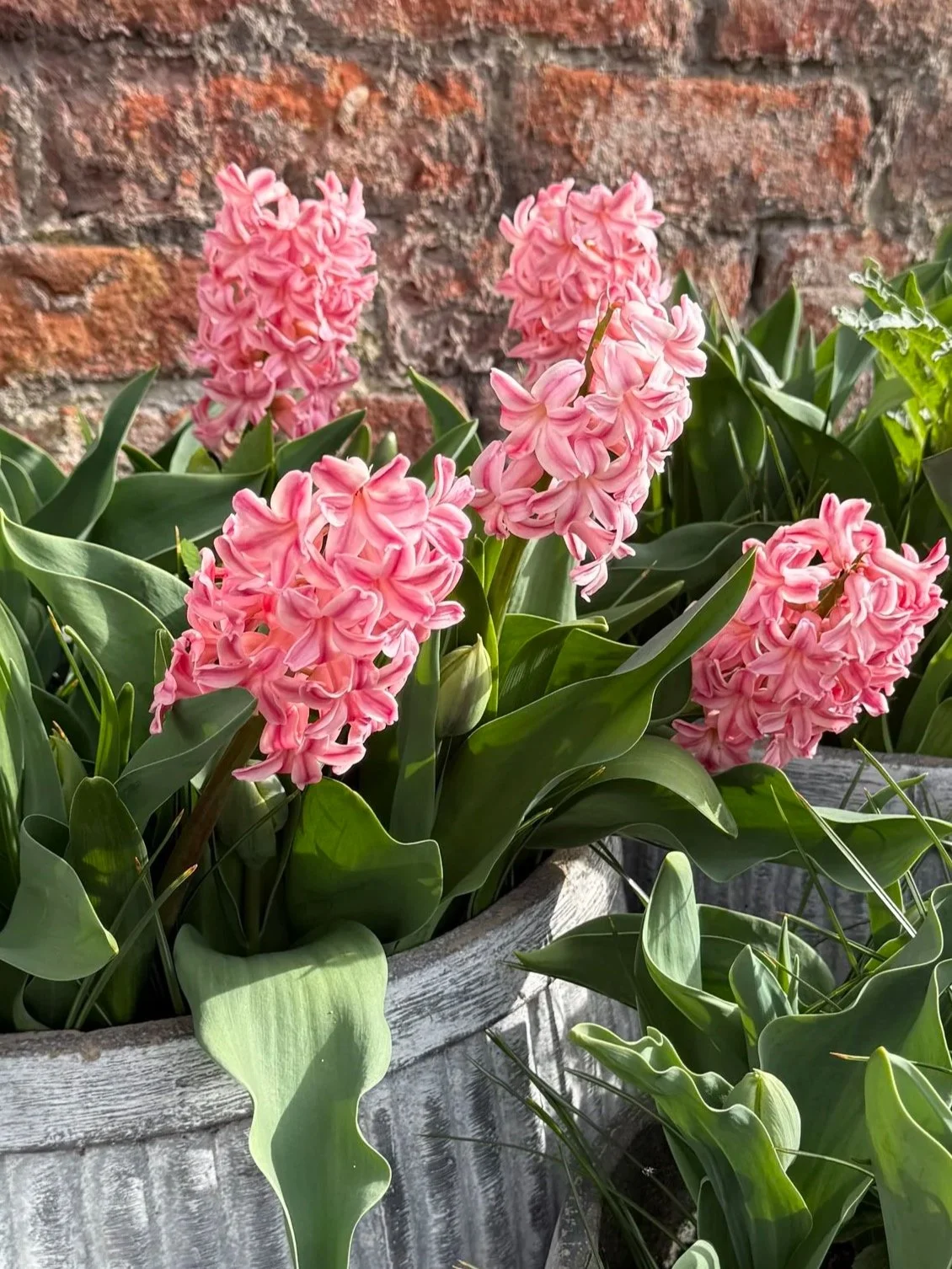
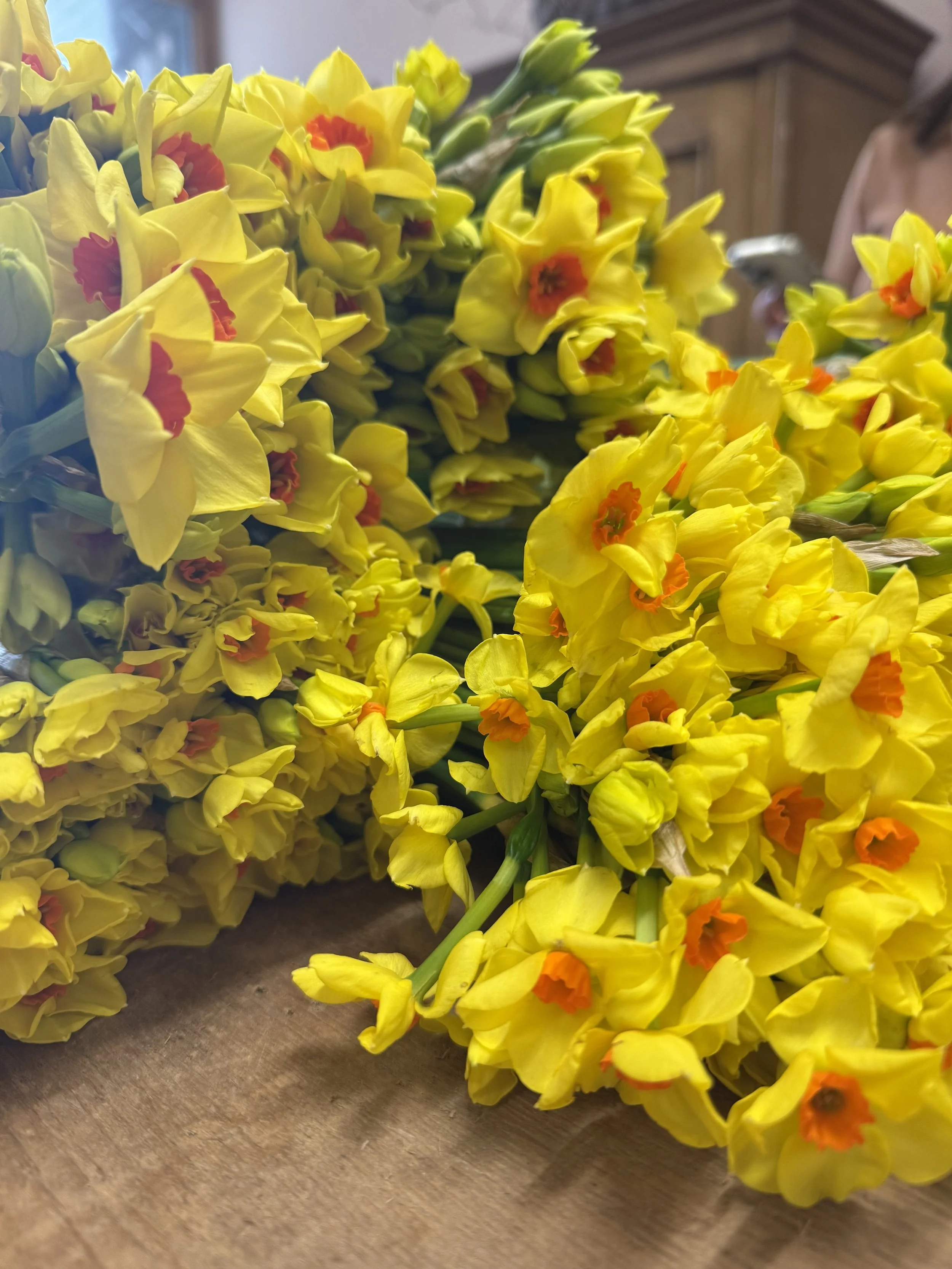
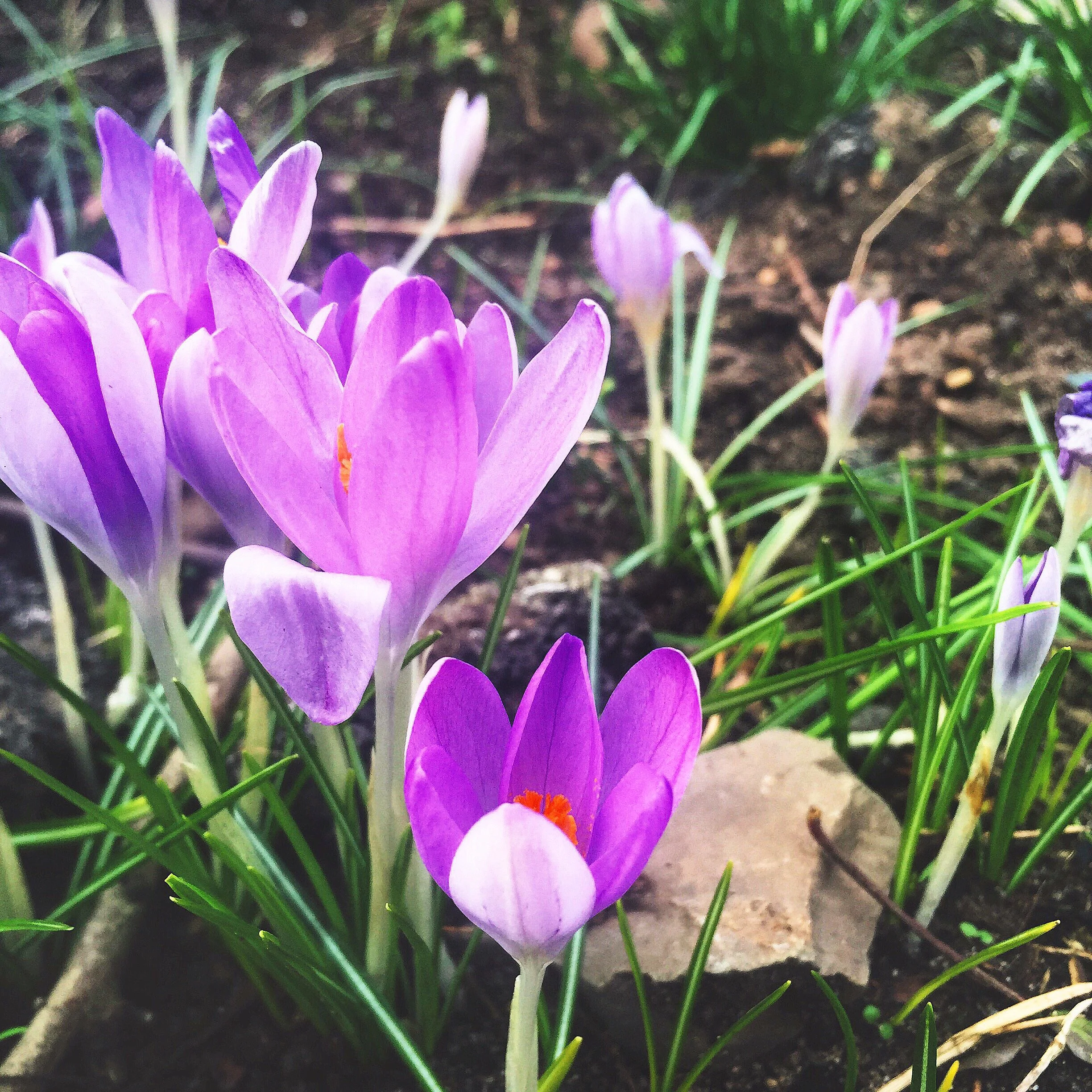
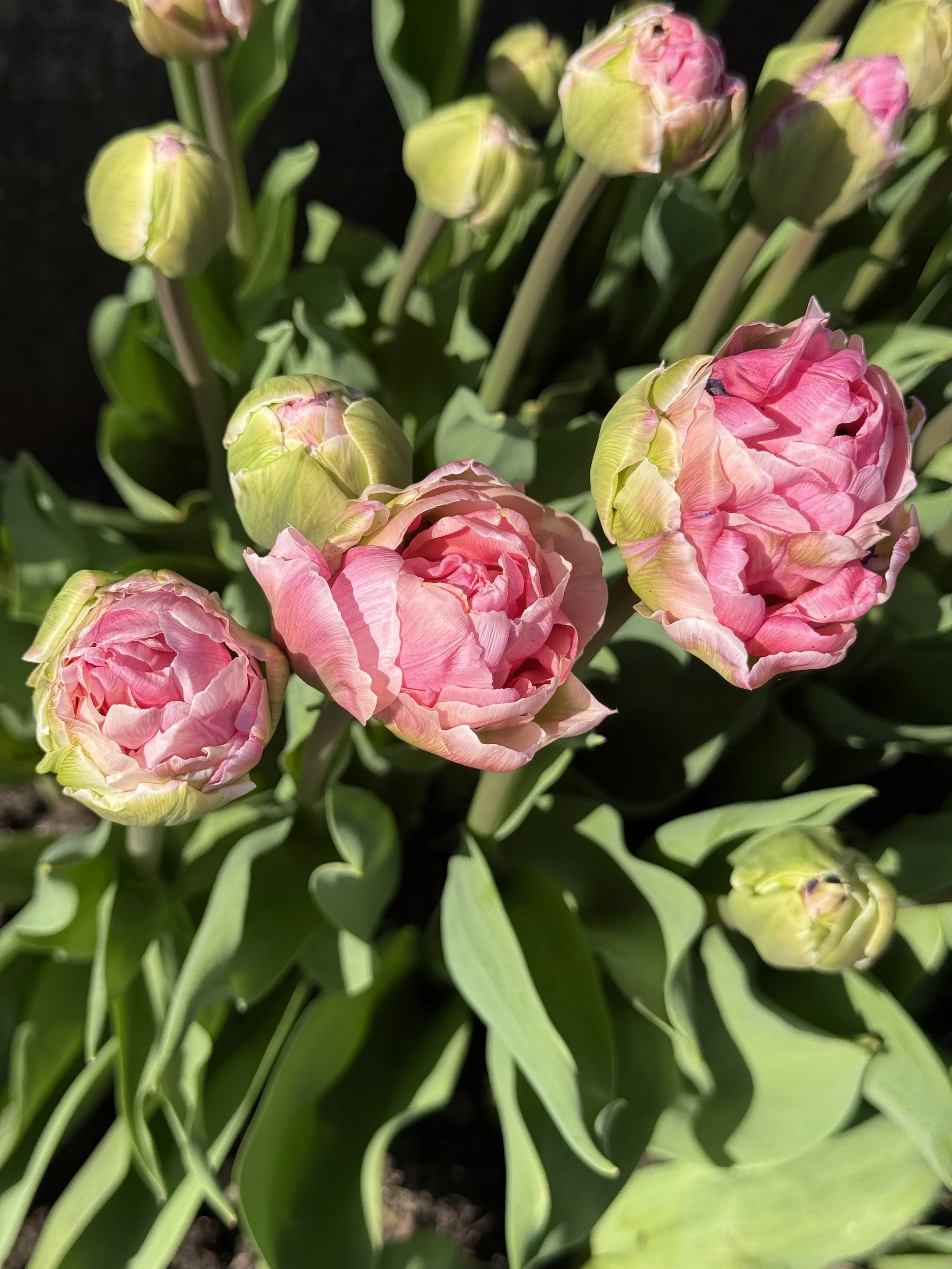
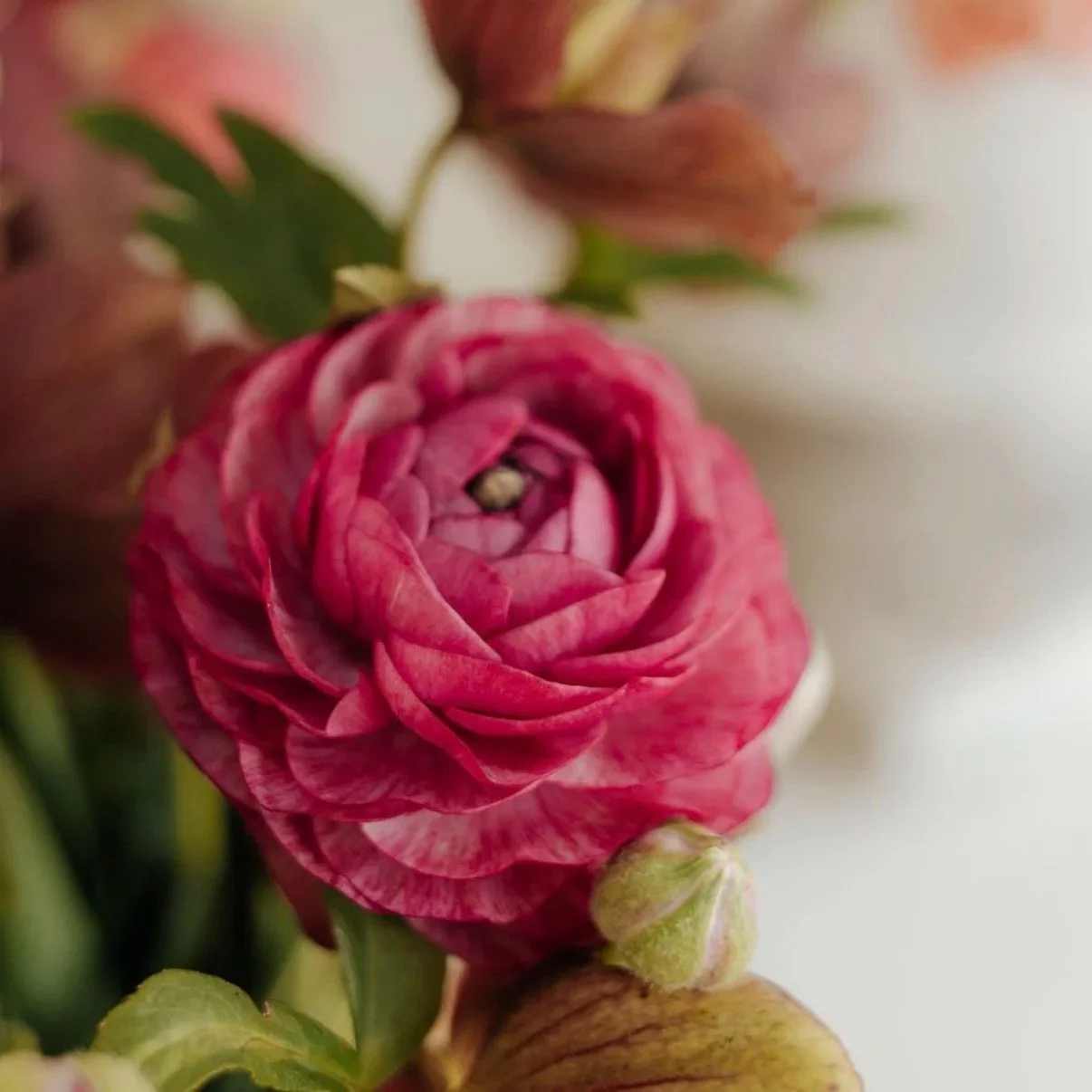
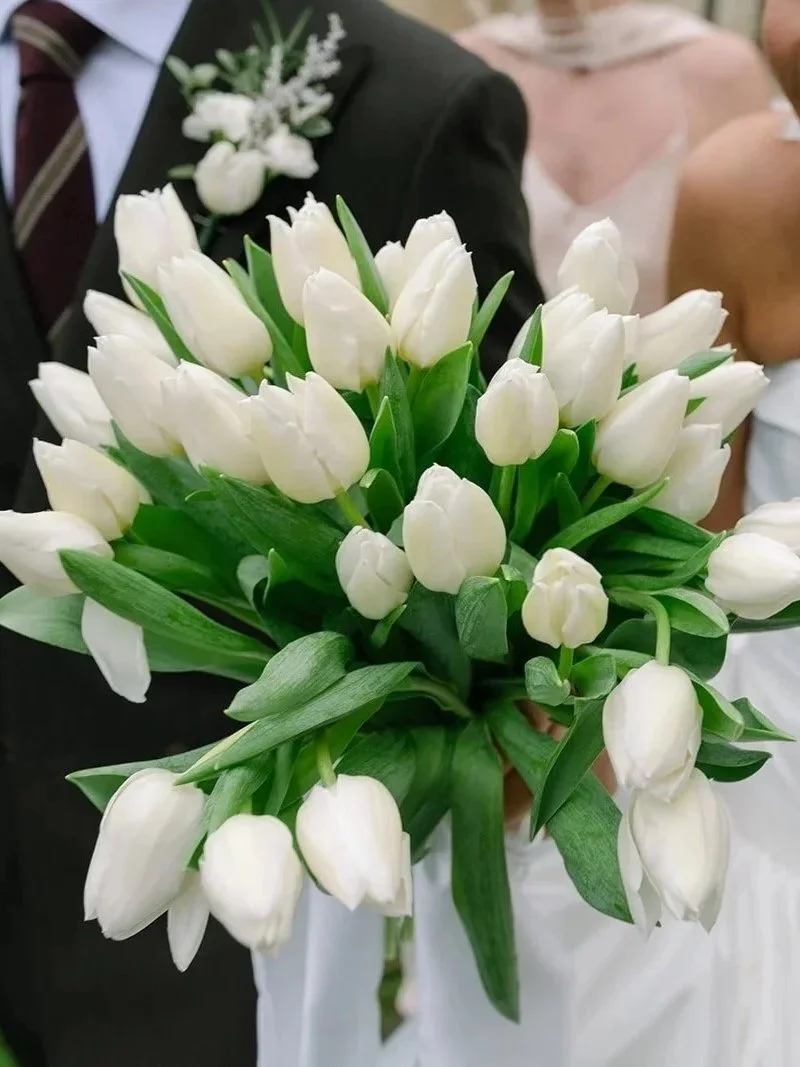
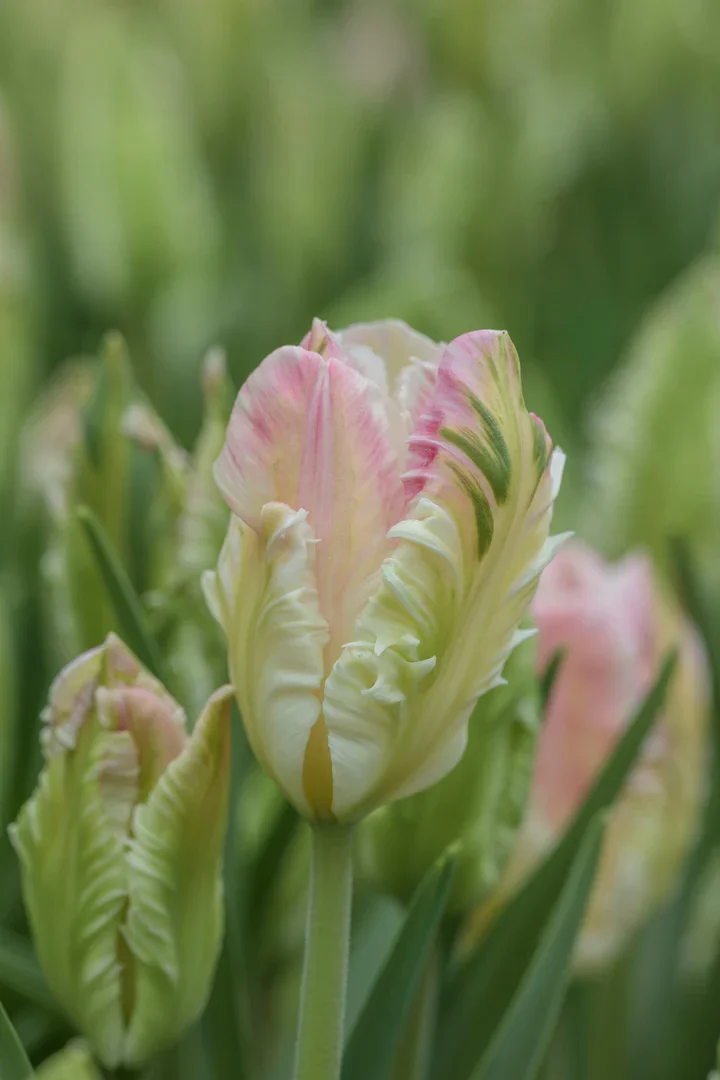
There’s Crocus, Muscari, Fritillaries, Anemone, Narcissi, Daffodils, Tulips, Hellebore (one of my absolute favourites) Wallfower, Hyacinth, Honesty and Ranunculus with Bluebells beginning to come to life by the end of the month too. The vivid yellow blossom of Forsythia really announces the arrival of spring with Amelanchier, Apple Blossom and Flowering Currants other firm spring favourites.
May/June
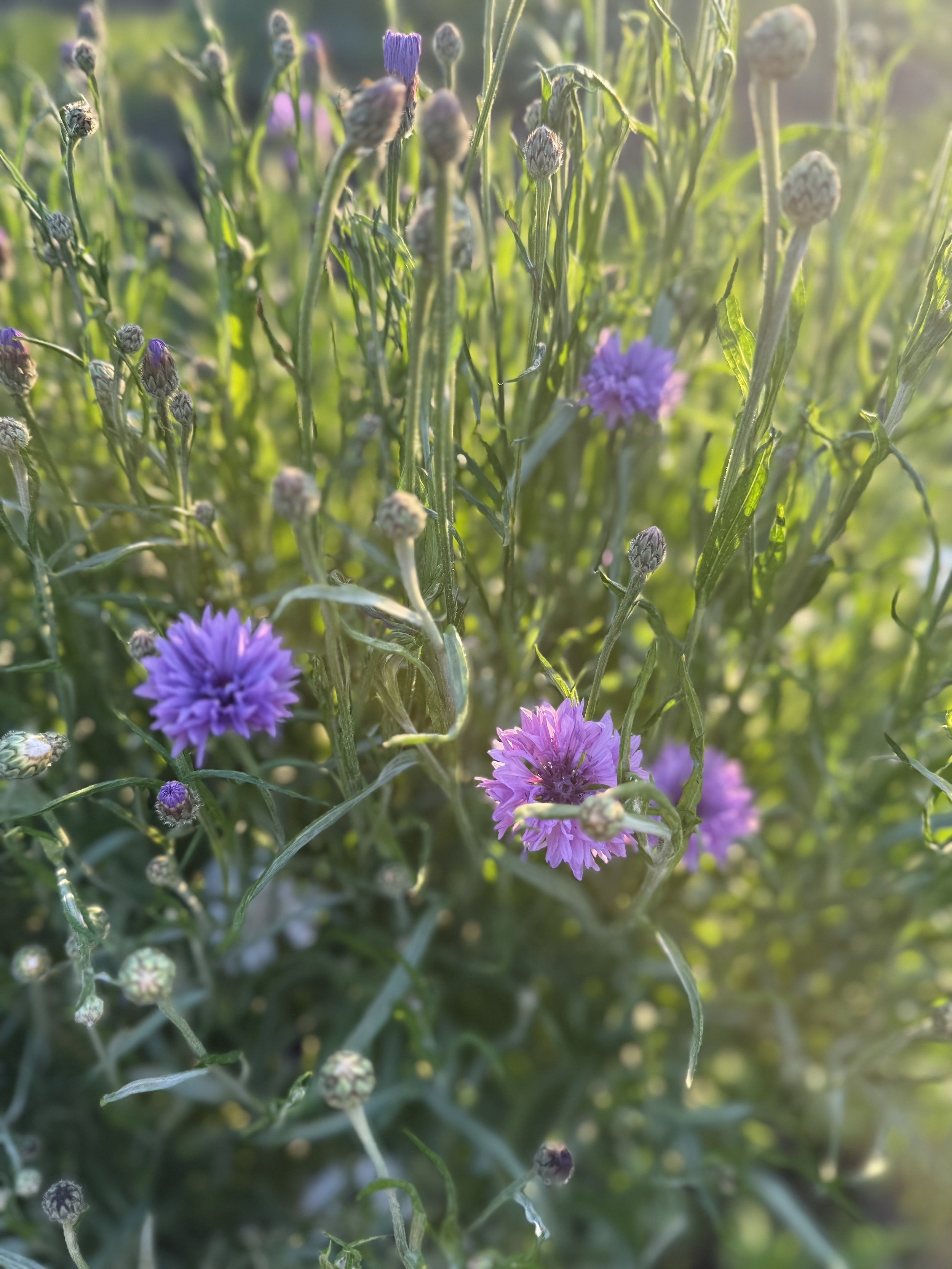
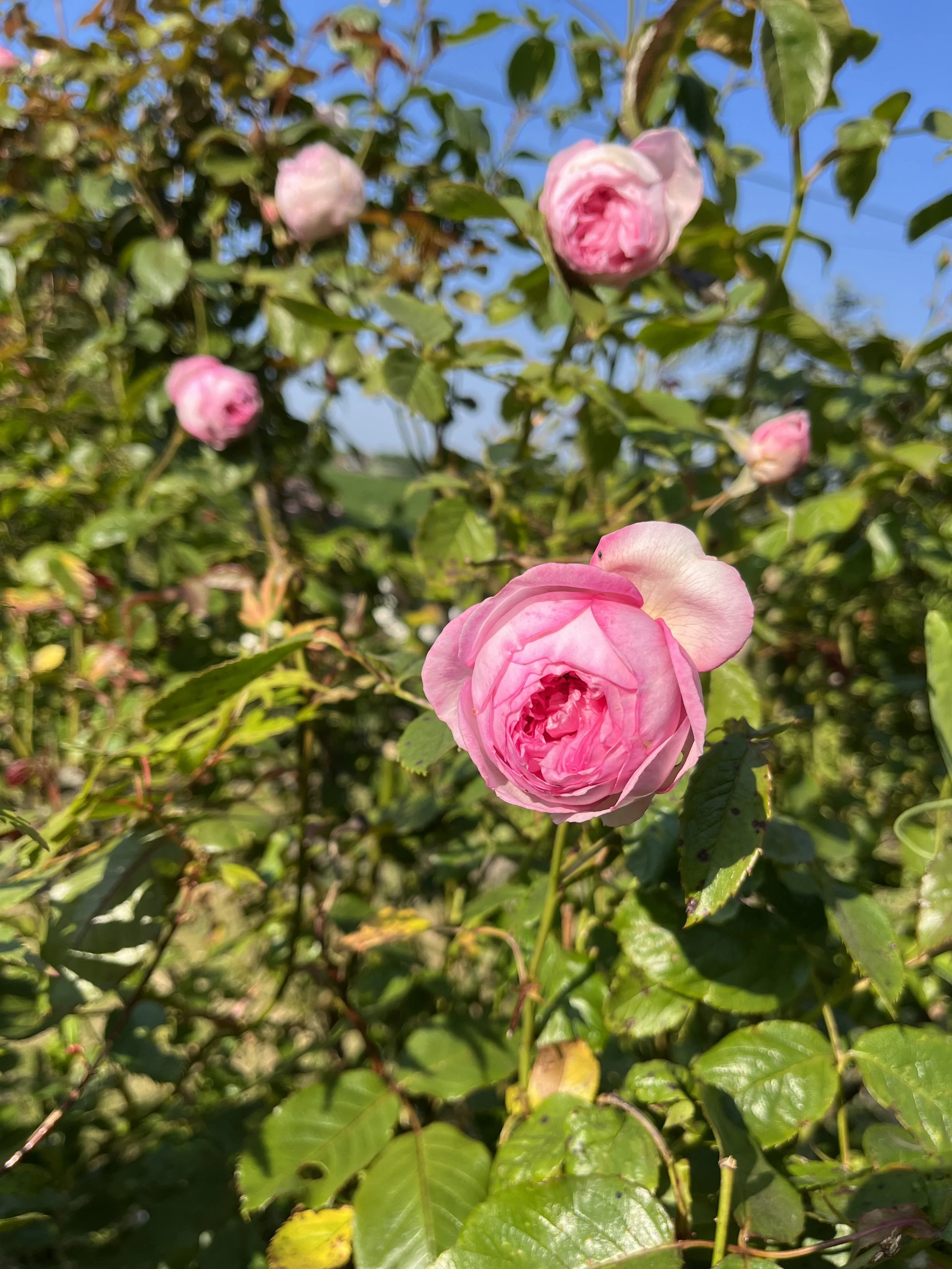
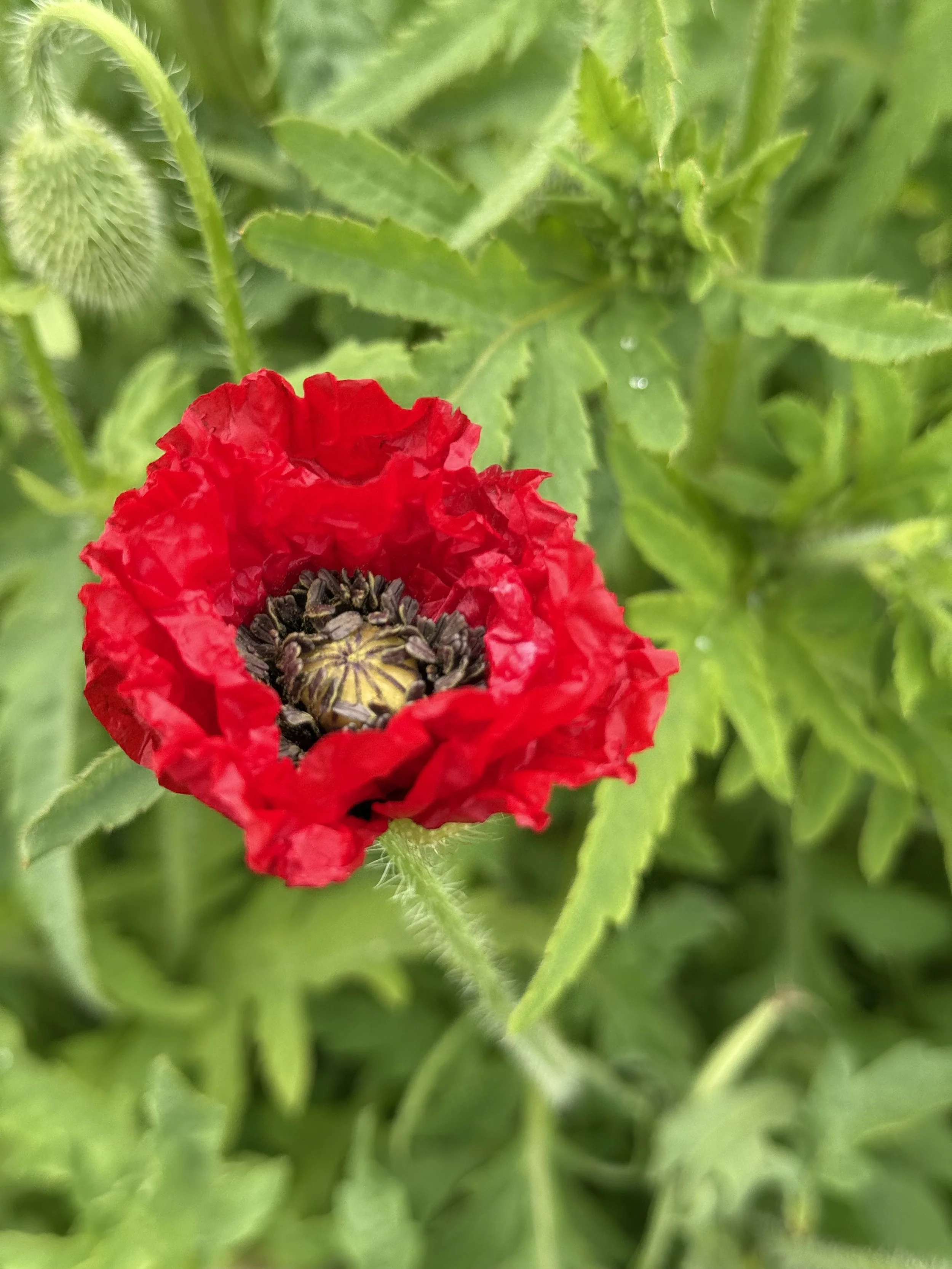
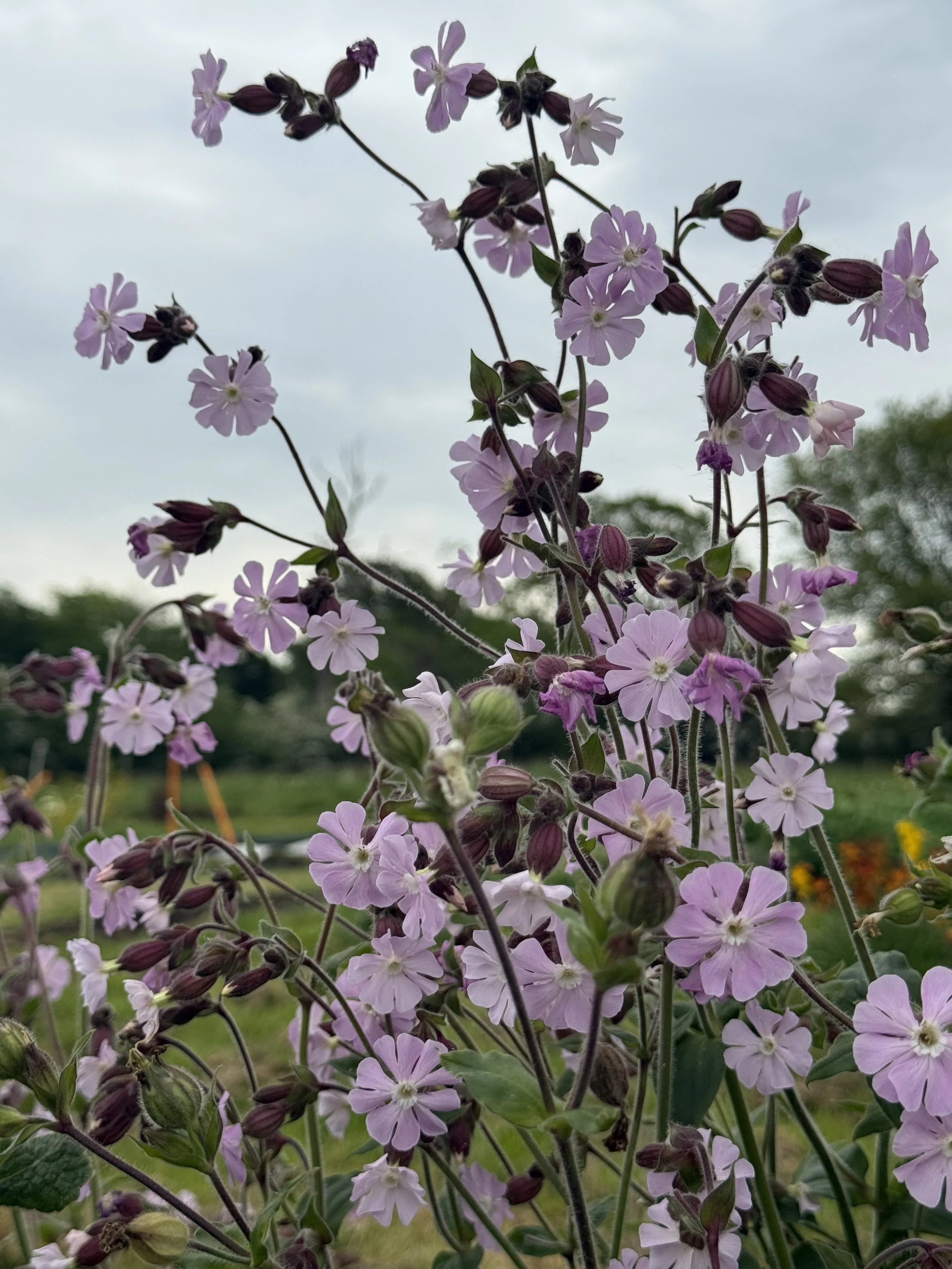
As we head into May and June it’s over to the biennials, autumn sown crops and perennials to put on a show. This is one of my favourite times of year as it really heralds the arrival of summer and the flowers lean towards a more relaxed meadow/ English country garden style.
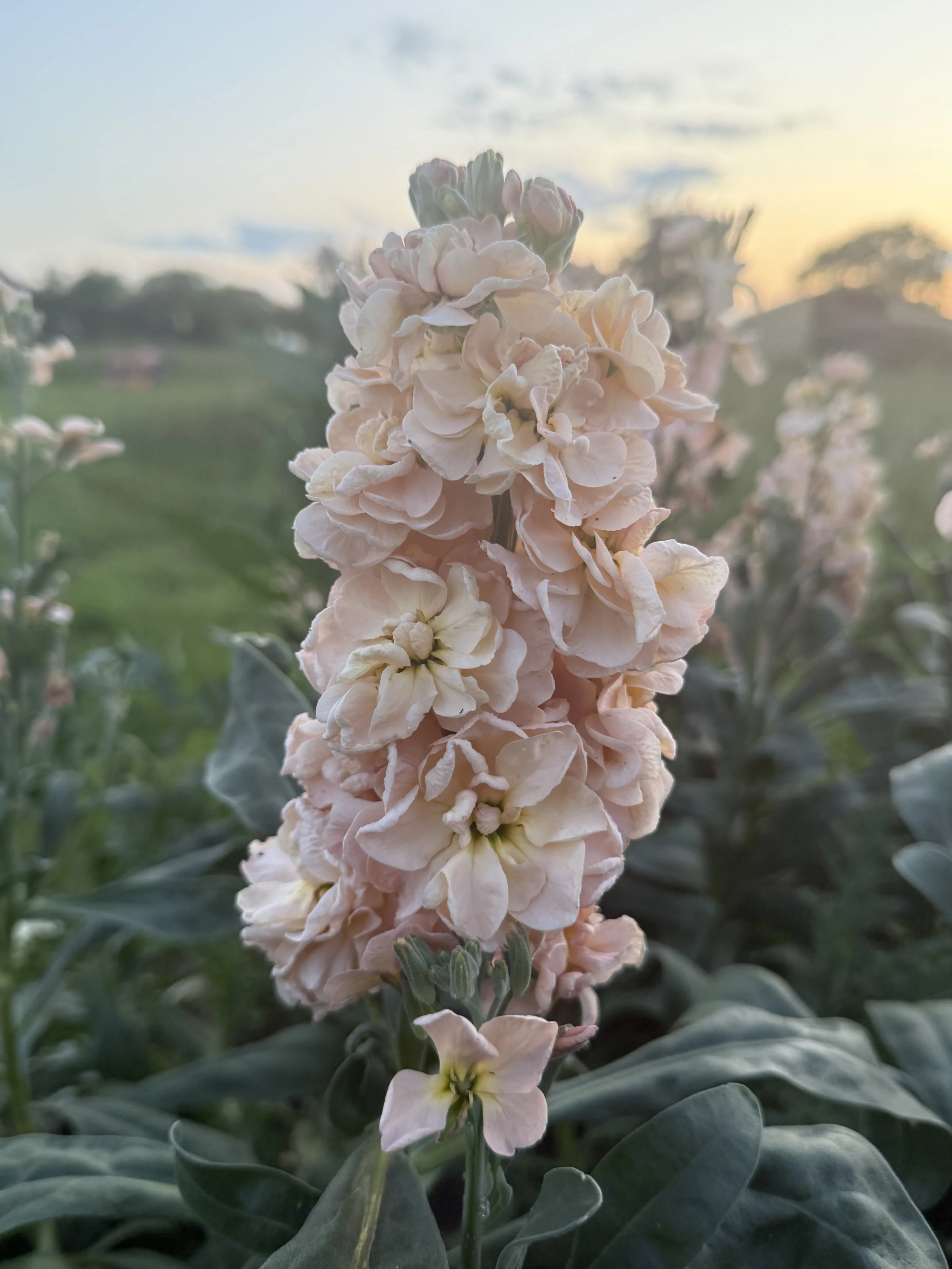
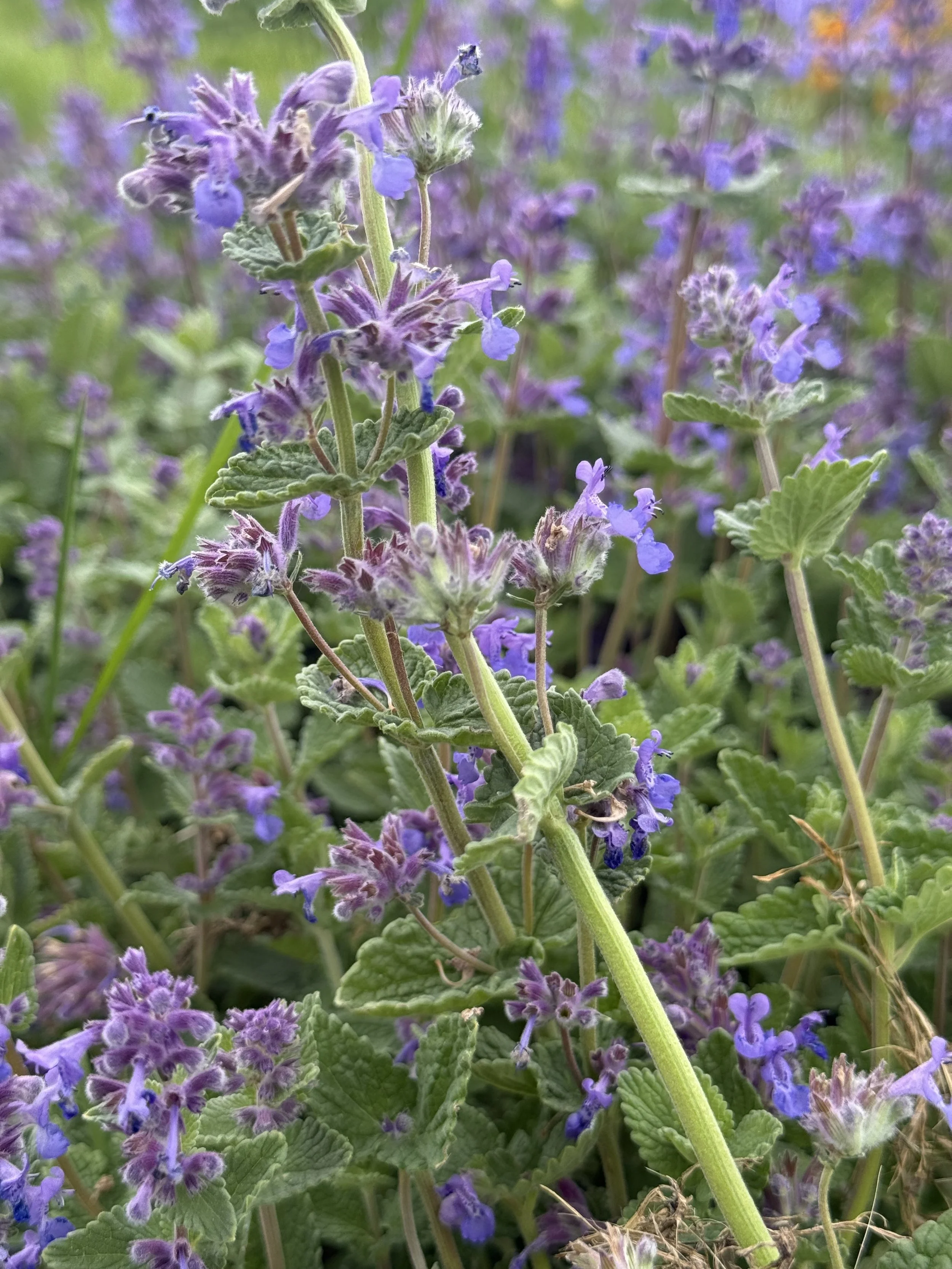
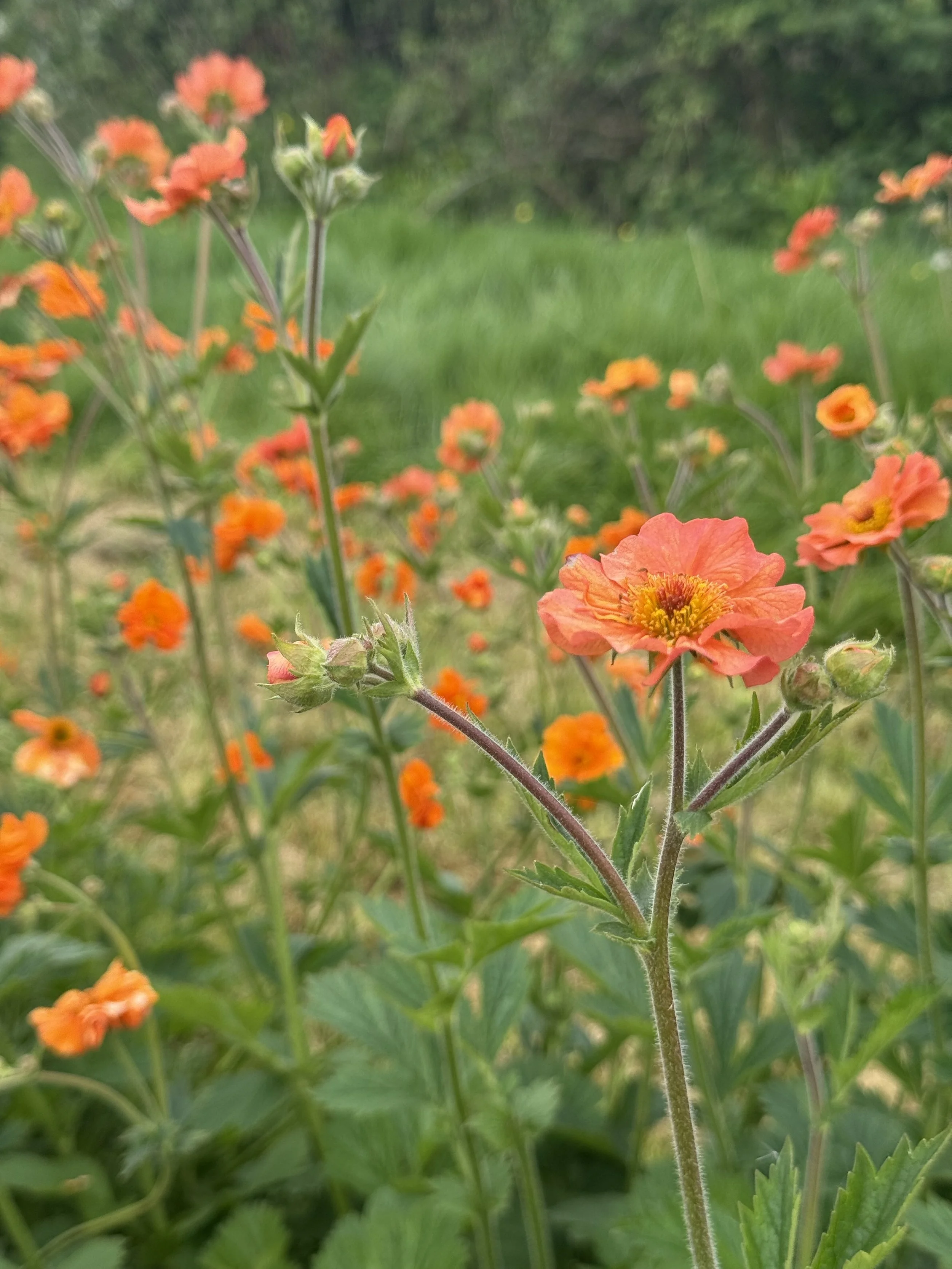
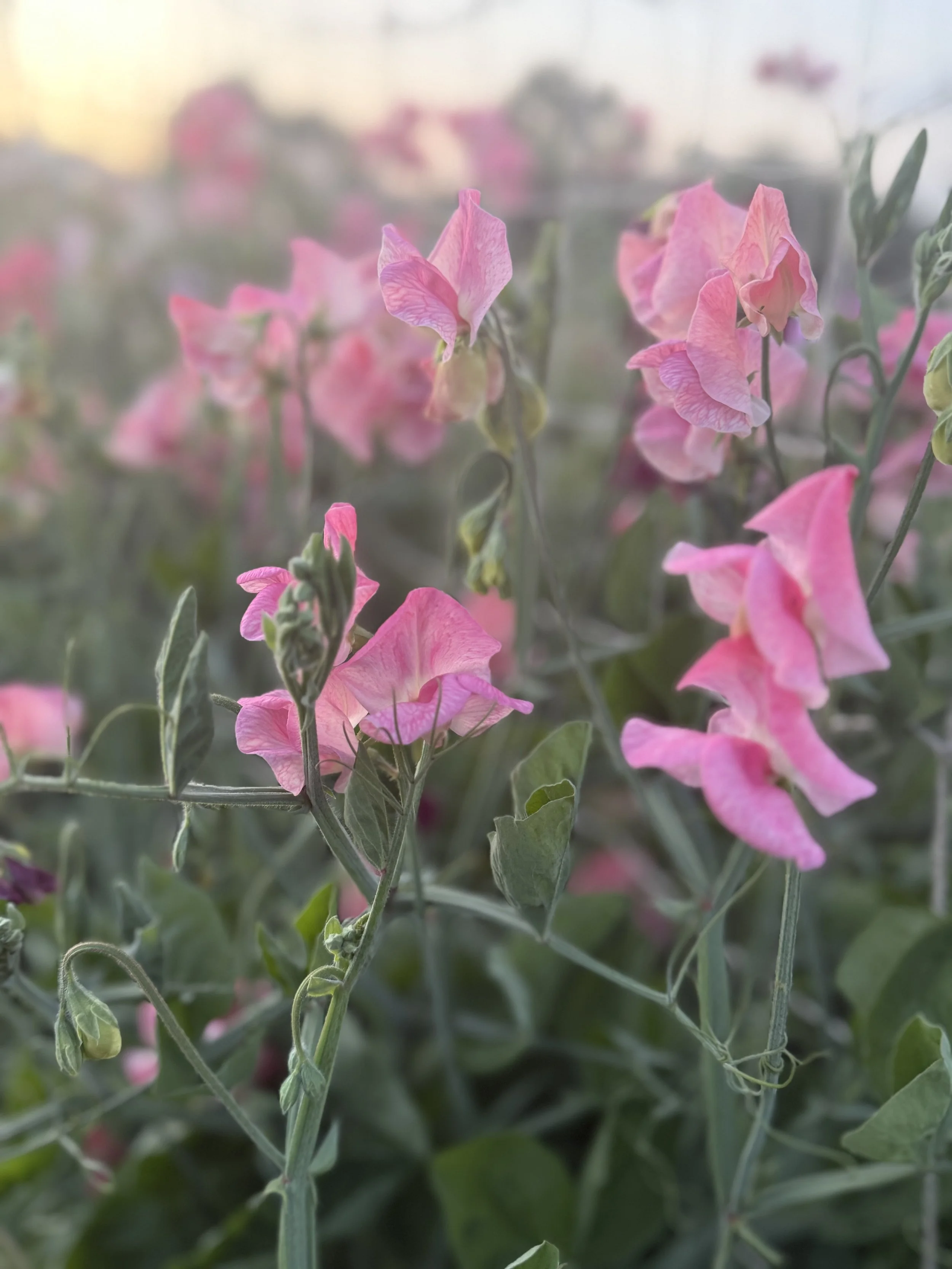
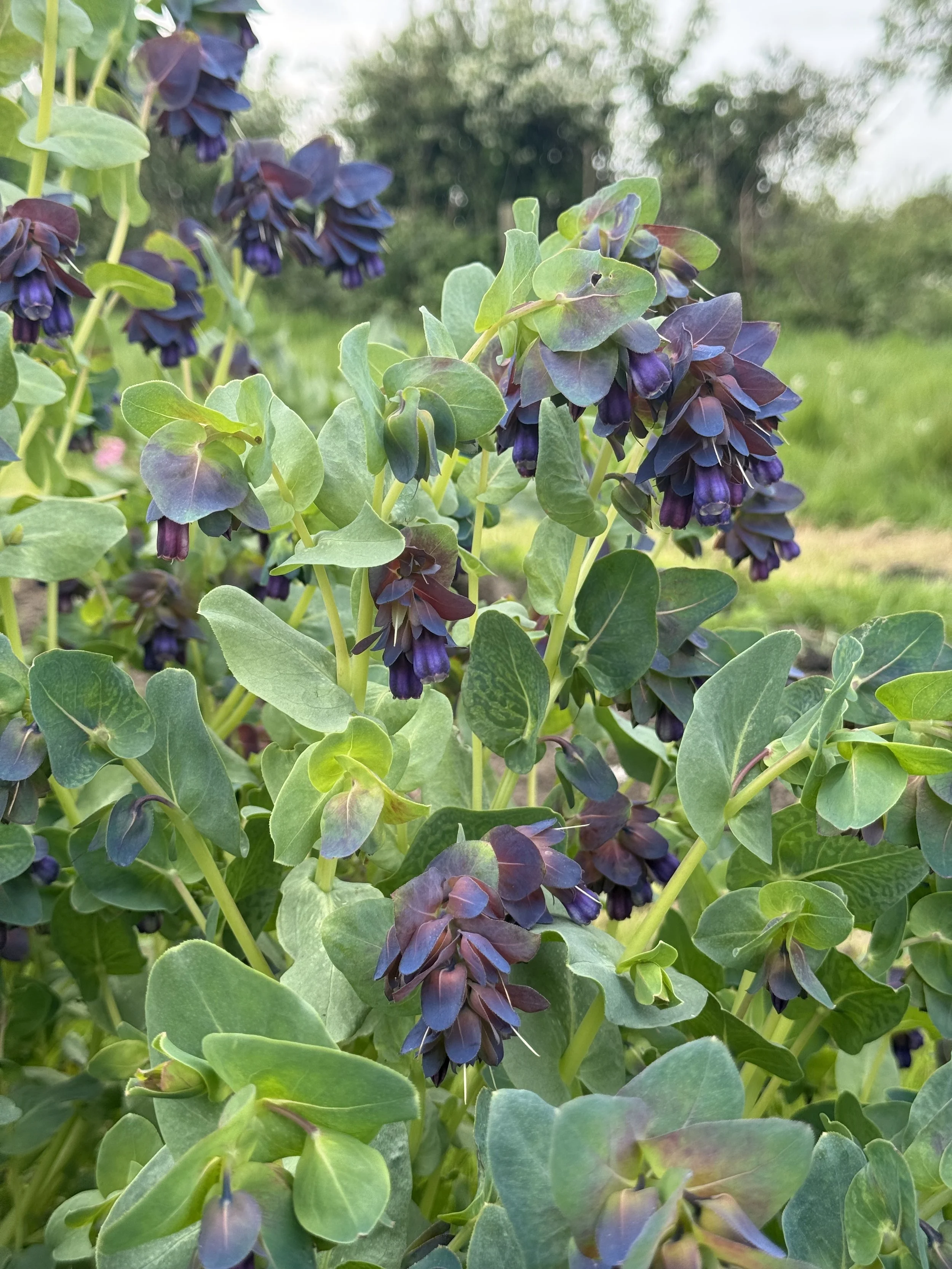
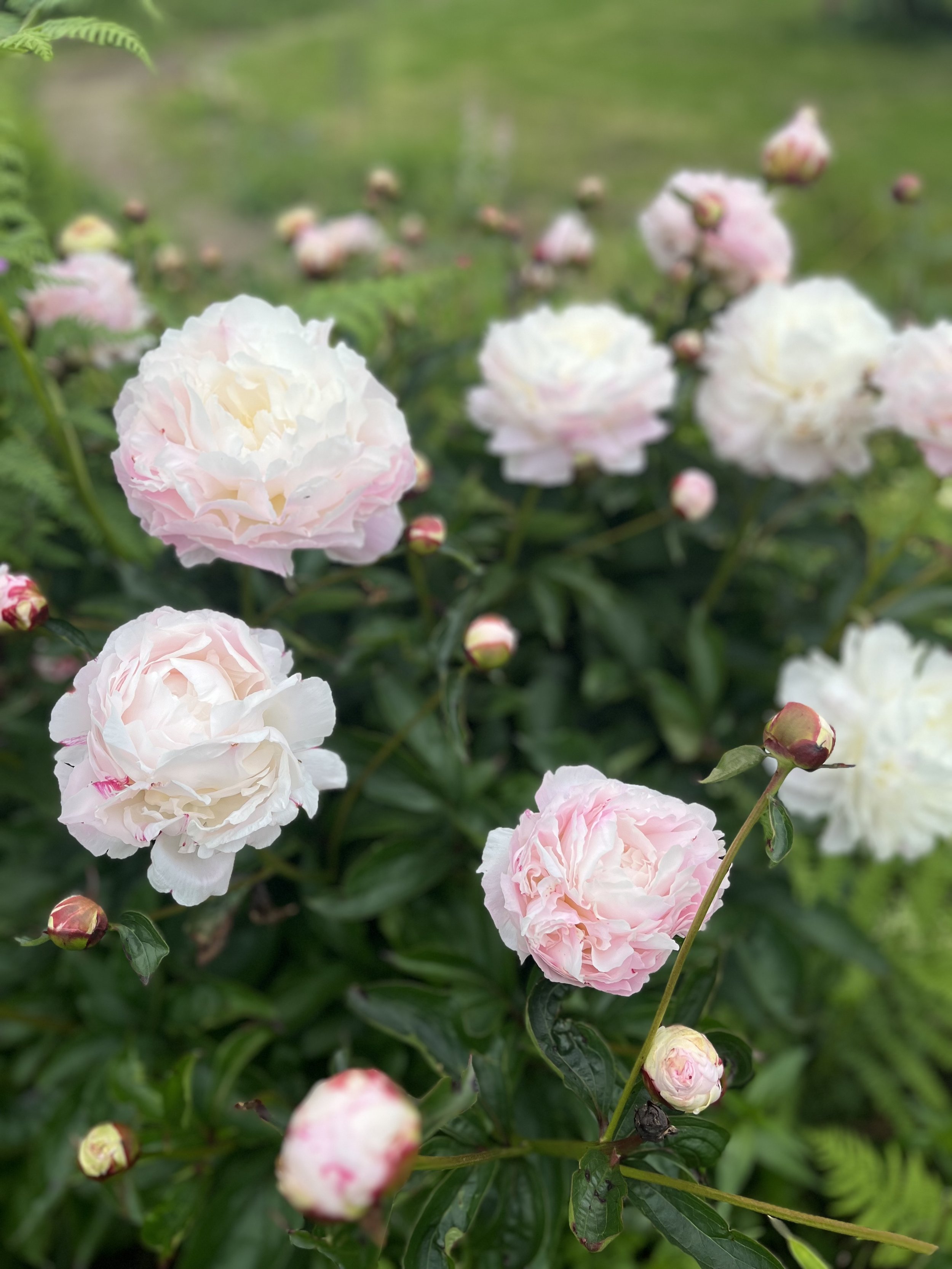
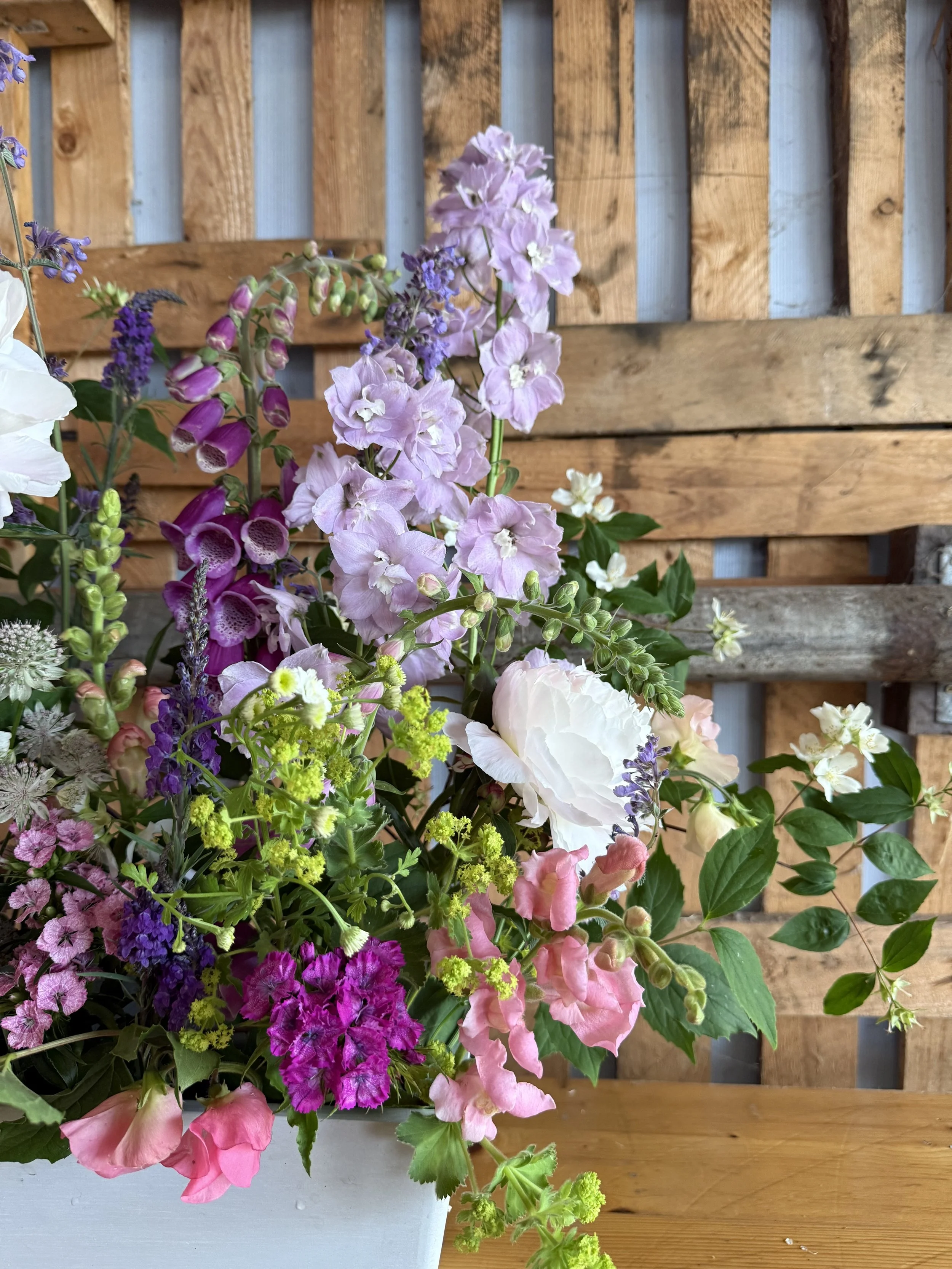
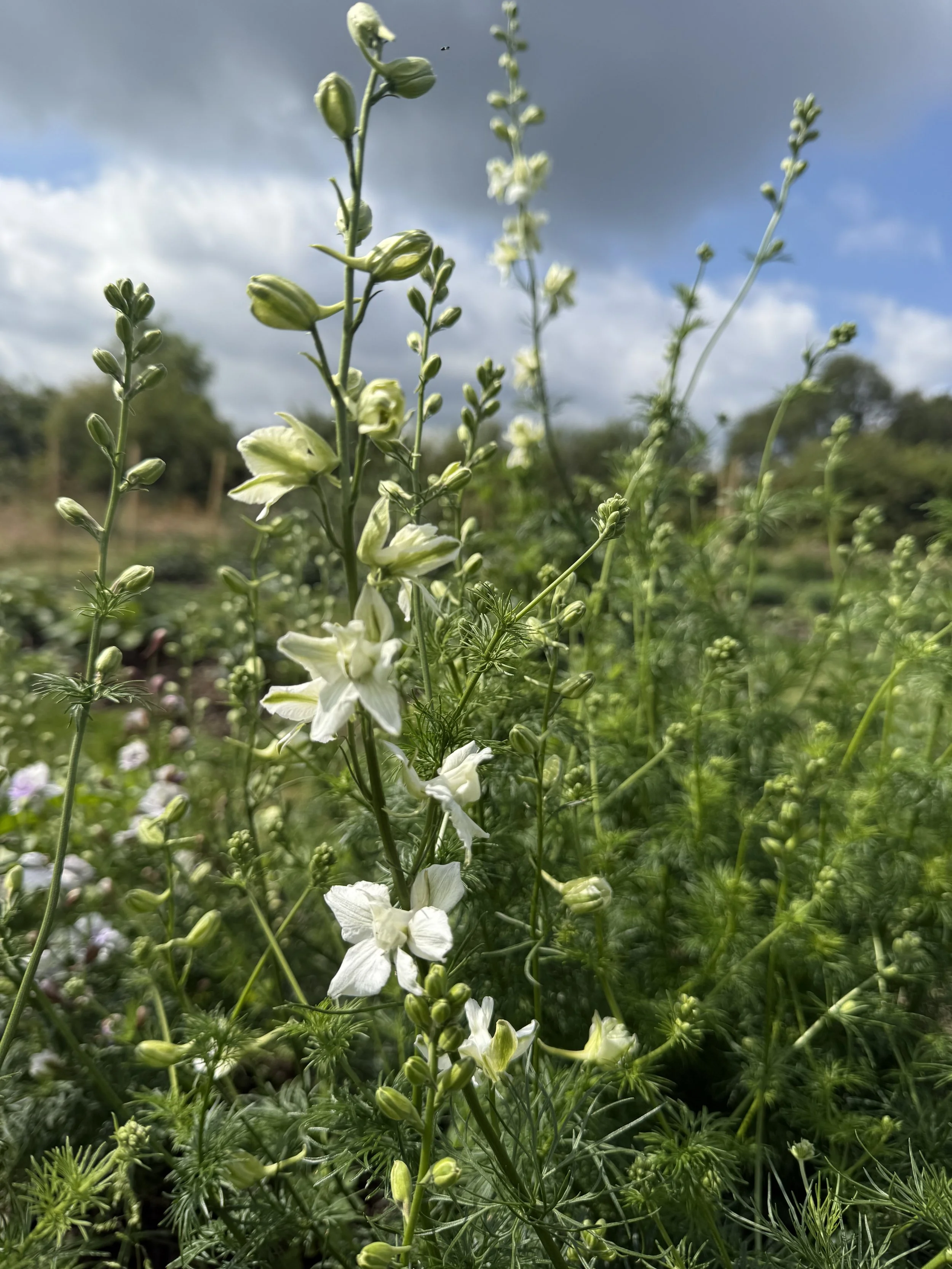
The sweet peas should begin to bloom thorough May and June along with Geums, Poppies, Campion, Cornflower, Stocks, Nepeta, Cerinthe, Foxgloves, Delphinium, Linaria, Feverfew, Verbascum, Alchemilla, Aquilegia, Alium, Viburnum, Lupins, Nigella and of course not forgetting that these are the months of the Peony and English Garden Rose! The wild flowers are at their peak now with Cow Parsley and Buttercups other firm favourites.
July/August/September
Summer is at its peak now and there is an enormous range of flowers in all shapes, sizes and colours. Th majority of which are cut and come again and with the right care will continue blooming right through to the first frost in the Autumn.
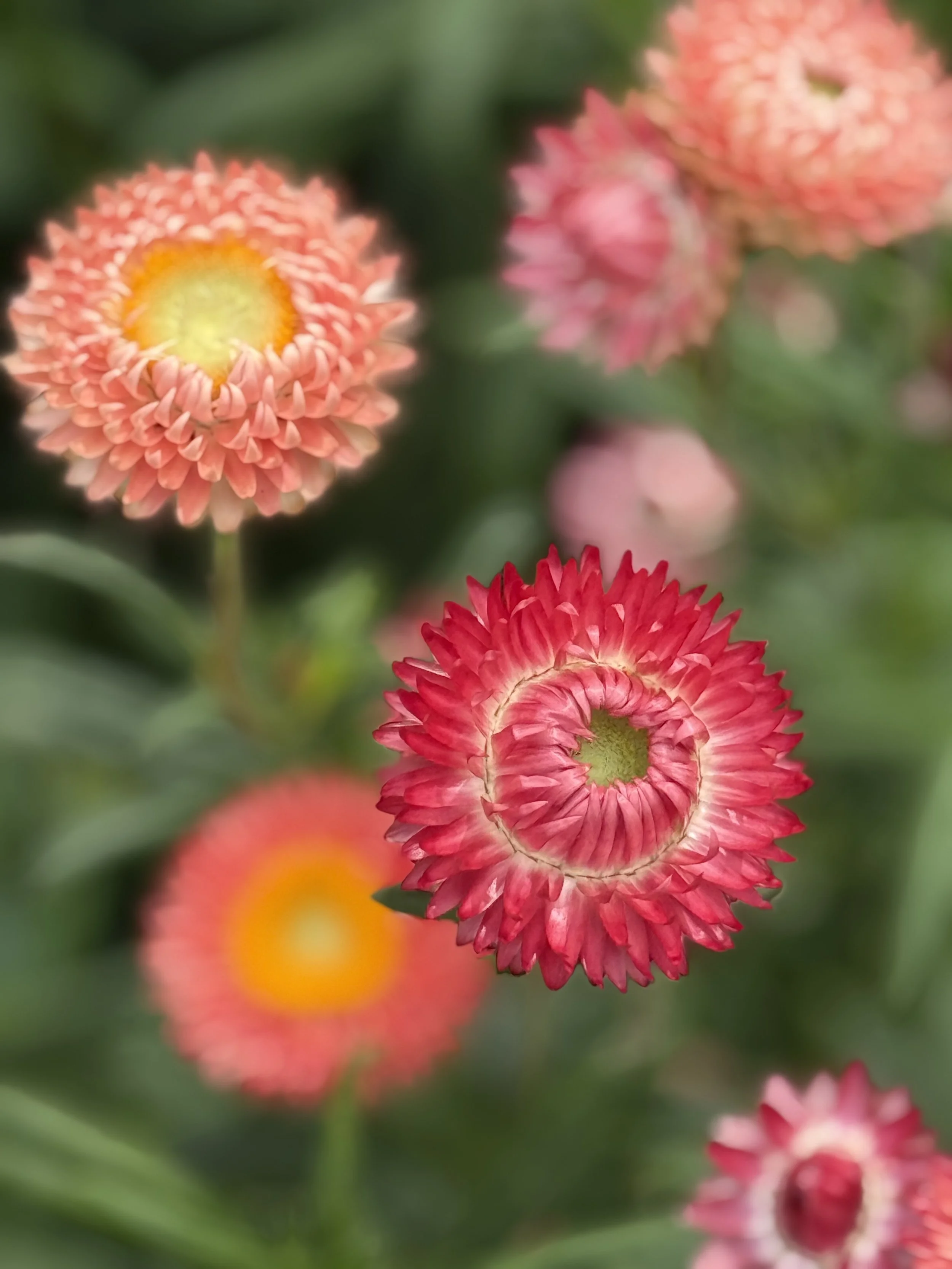
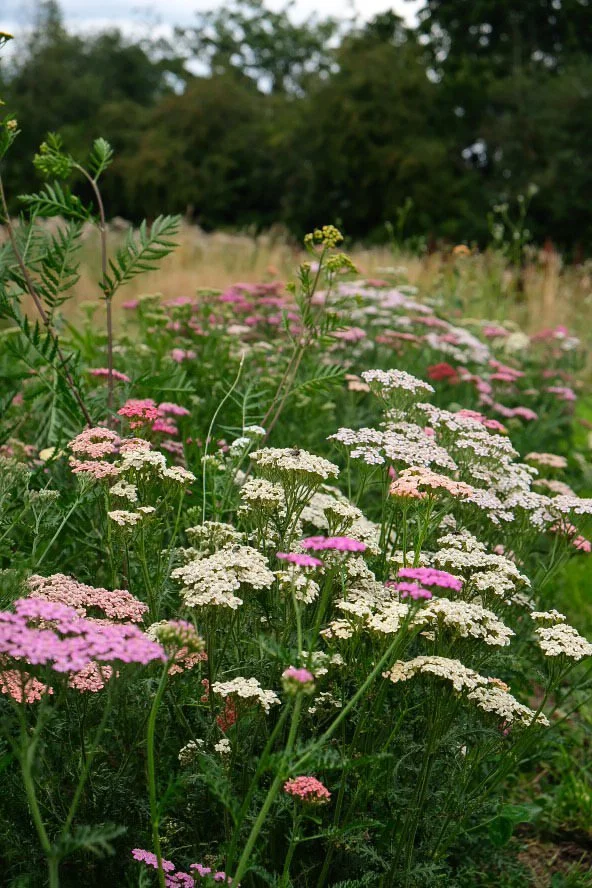
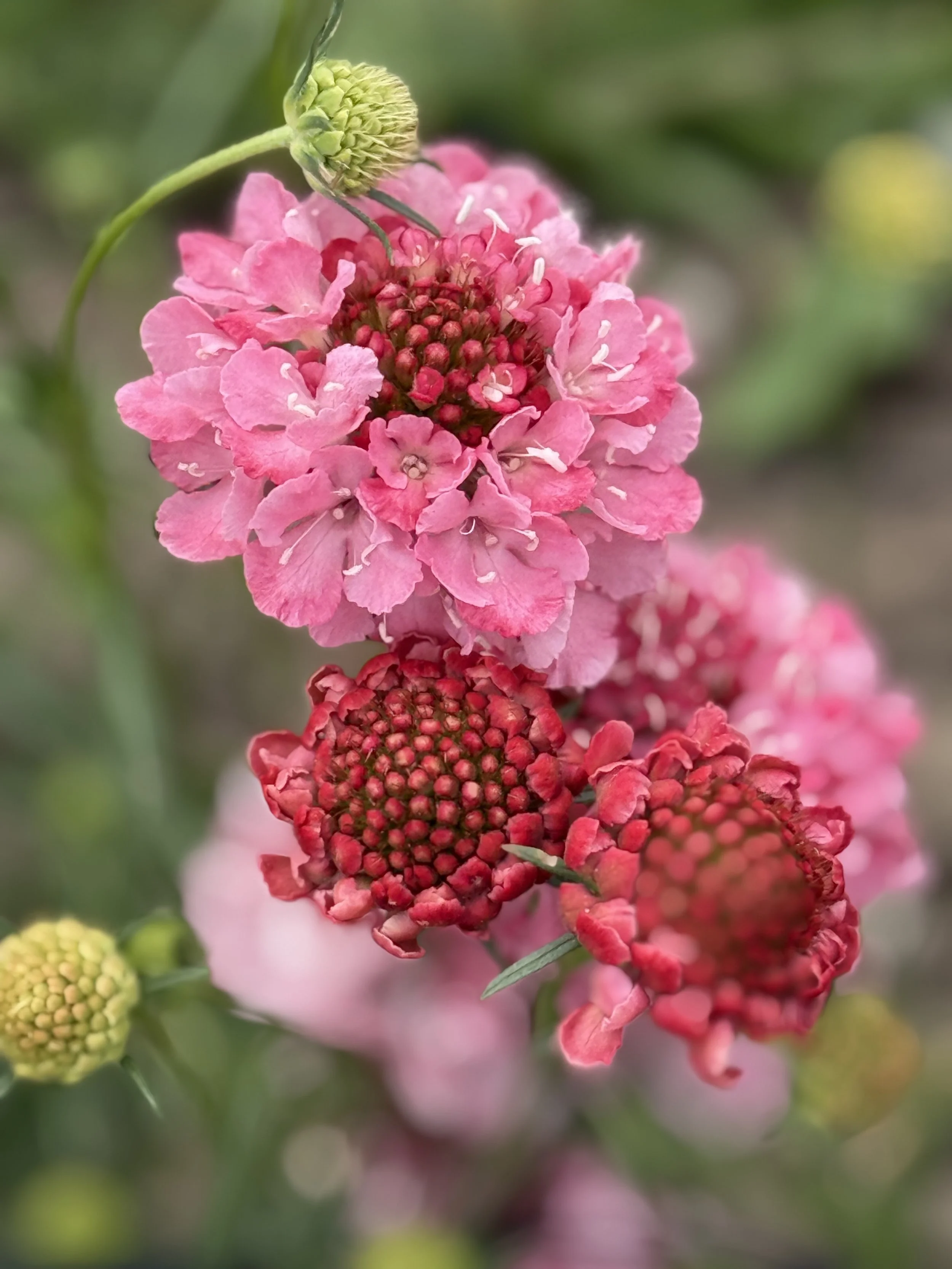
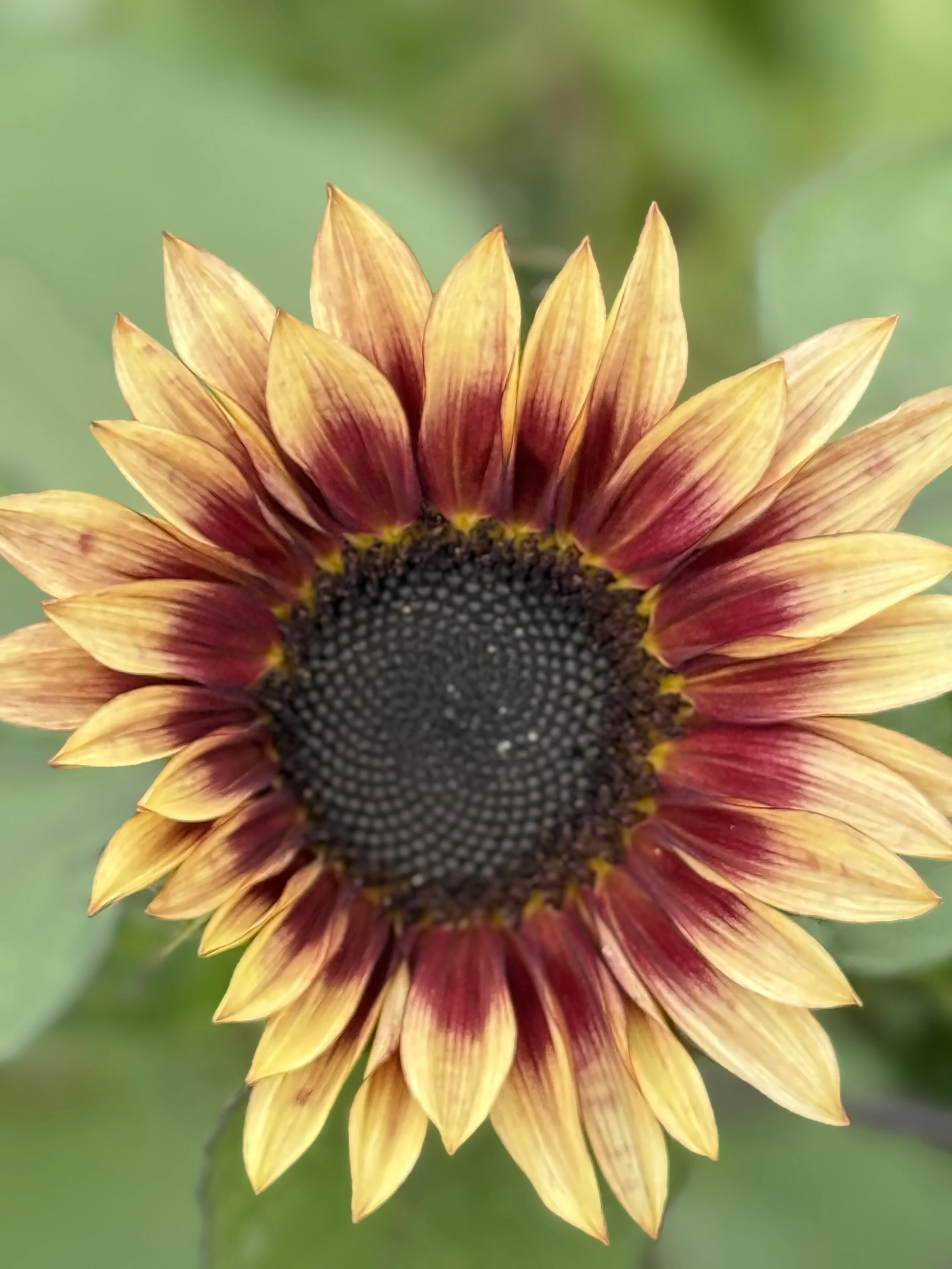
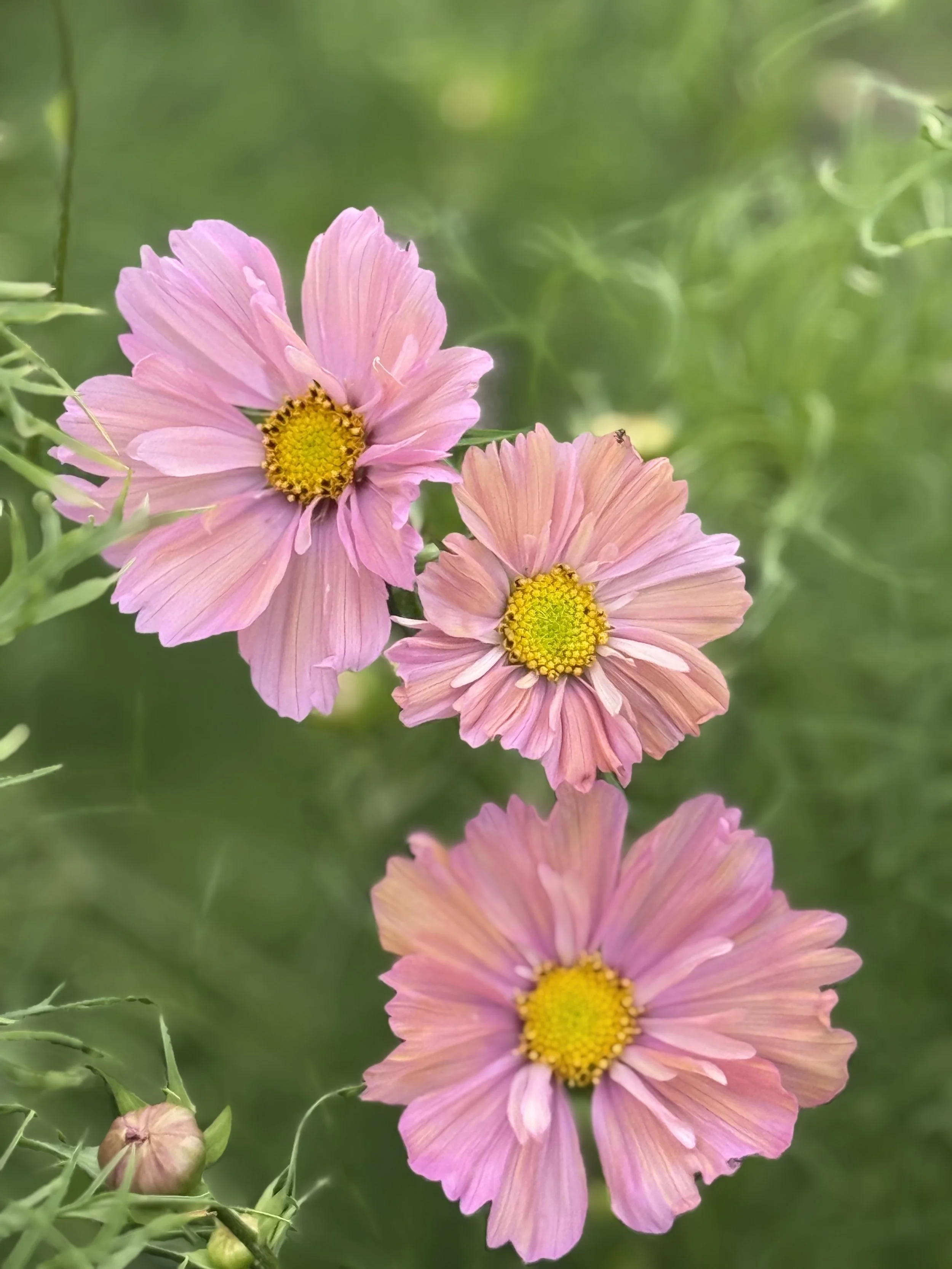
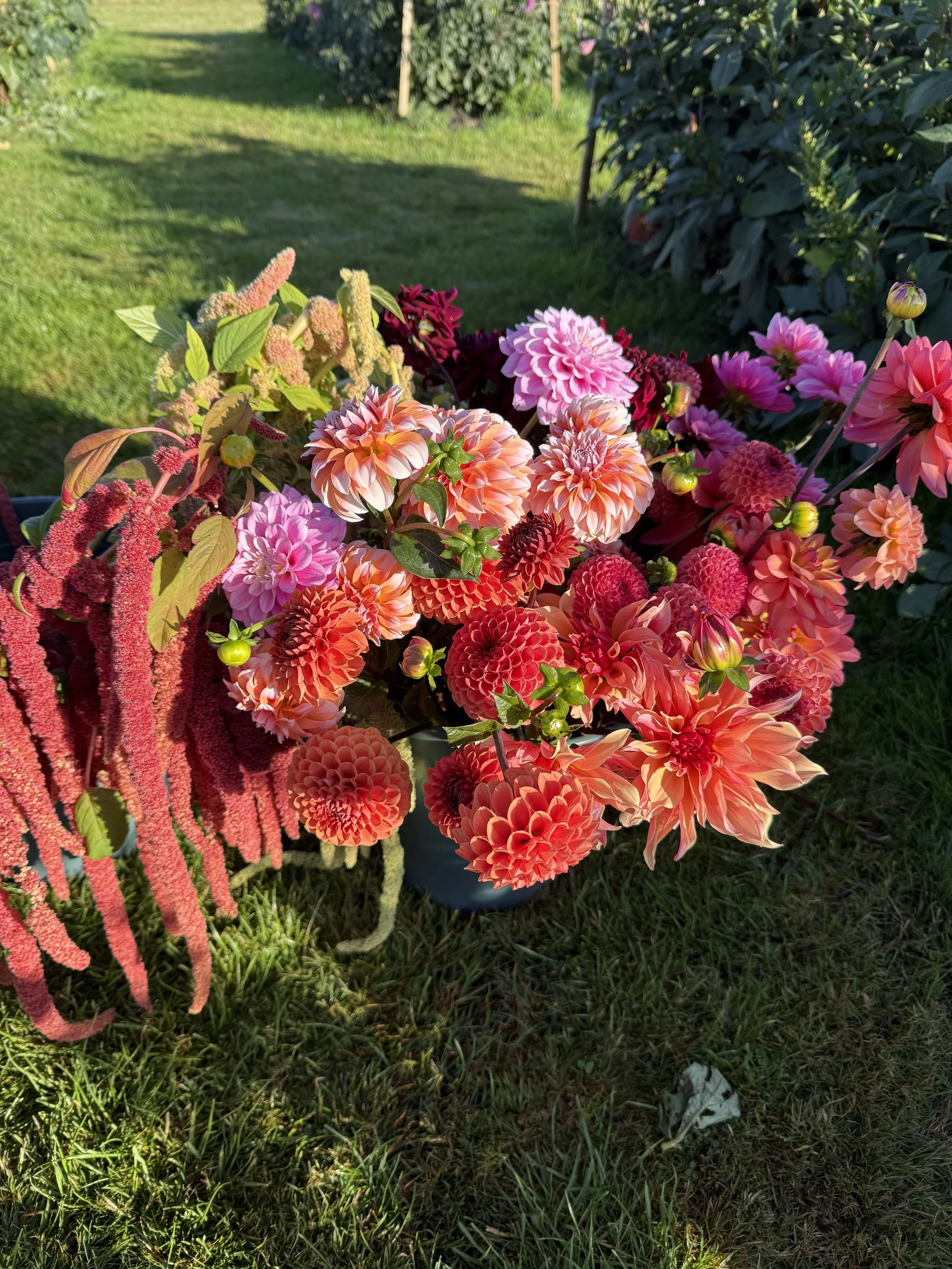
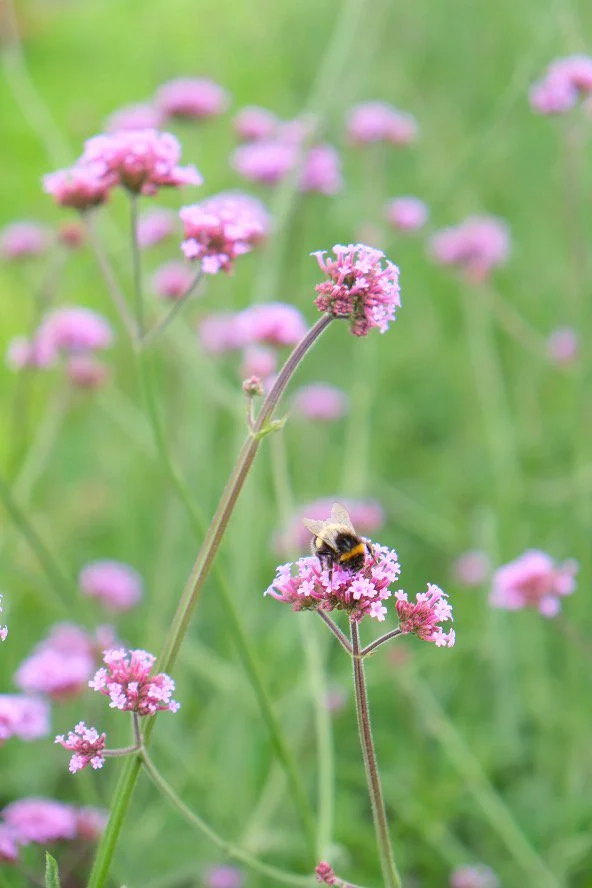
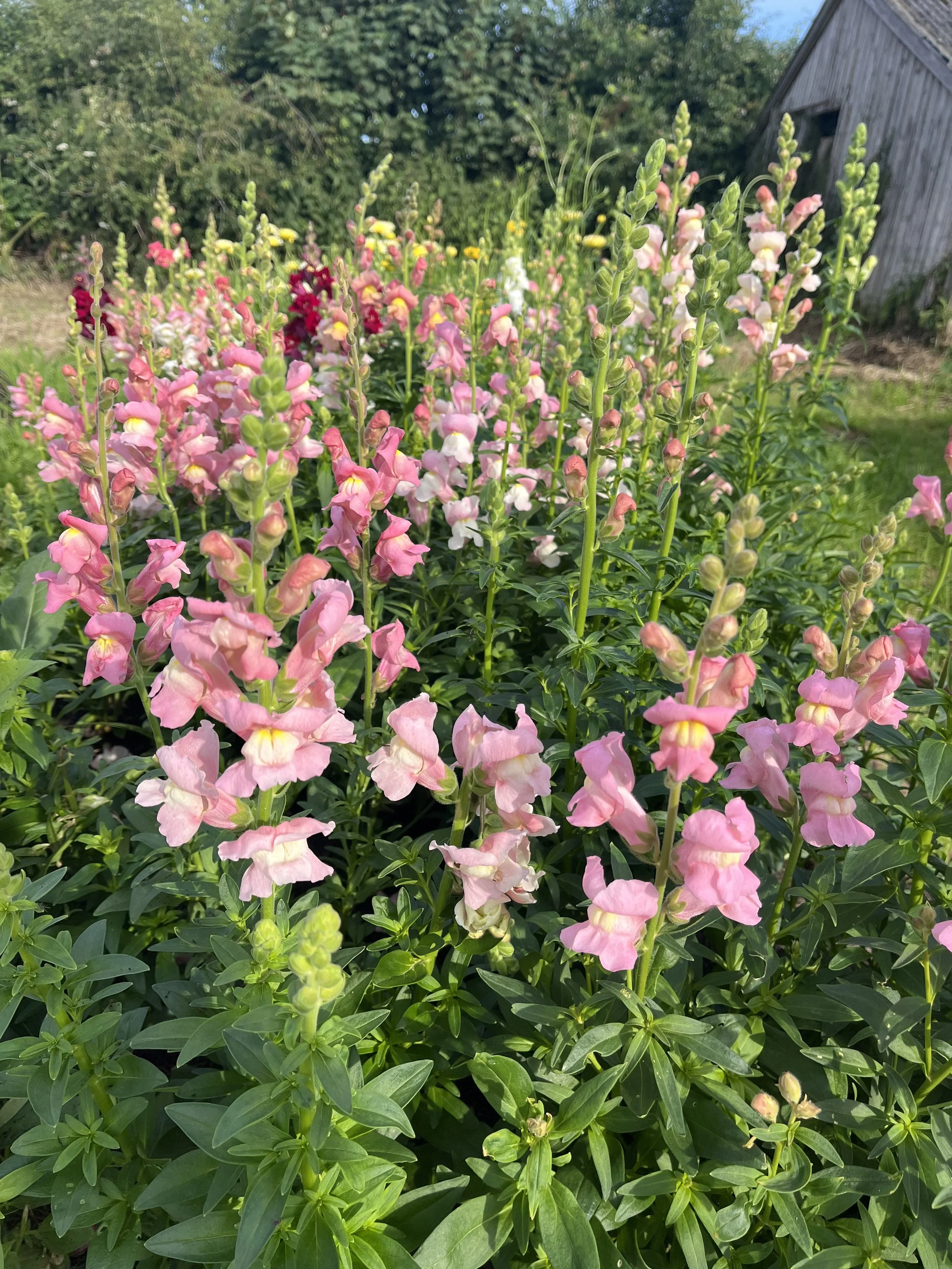
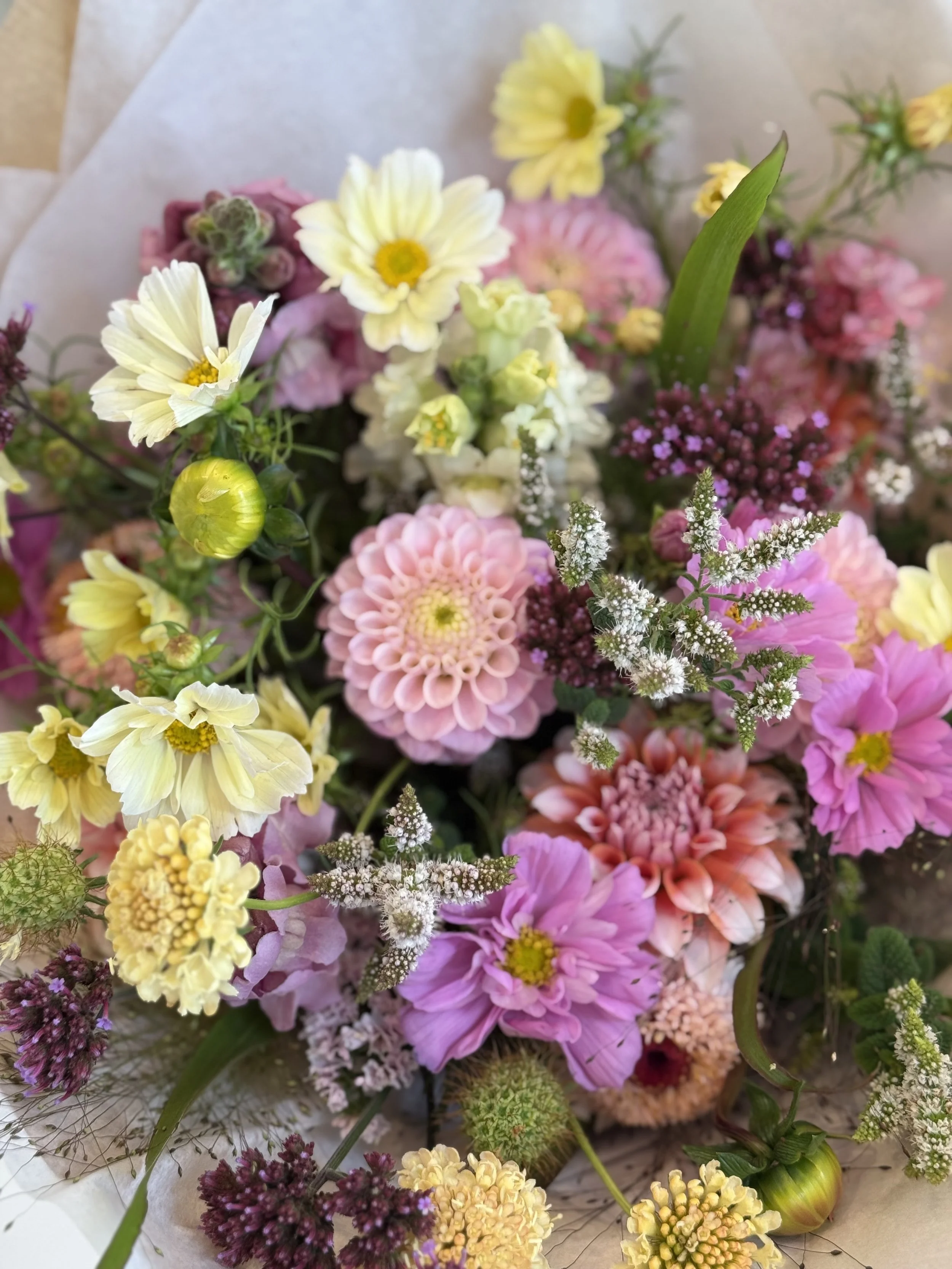
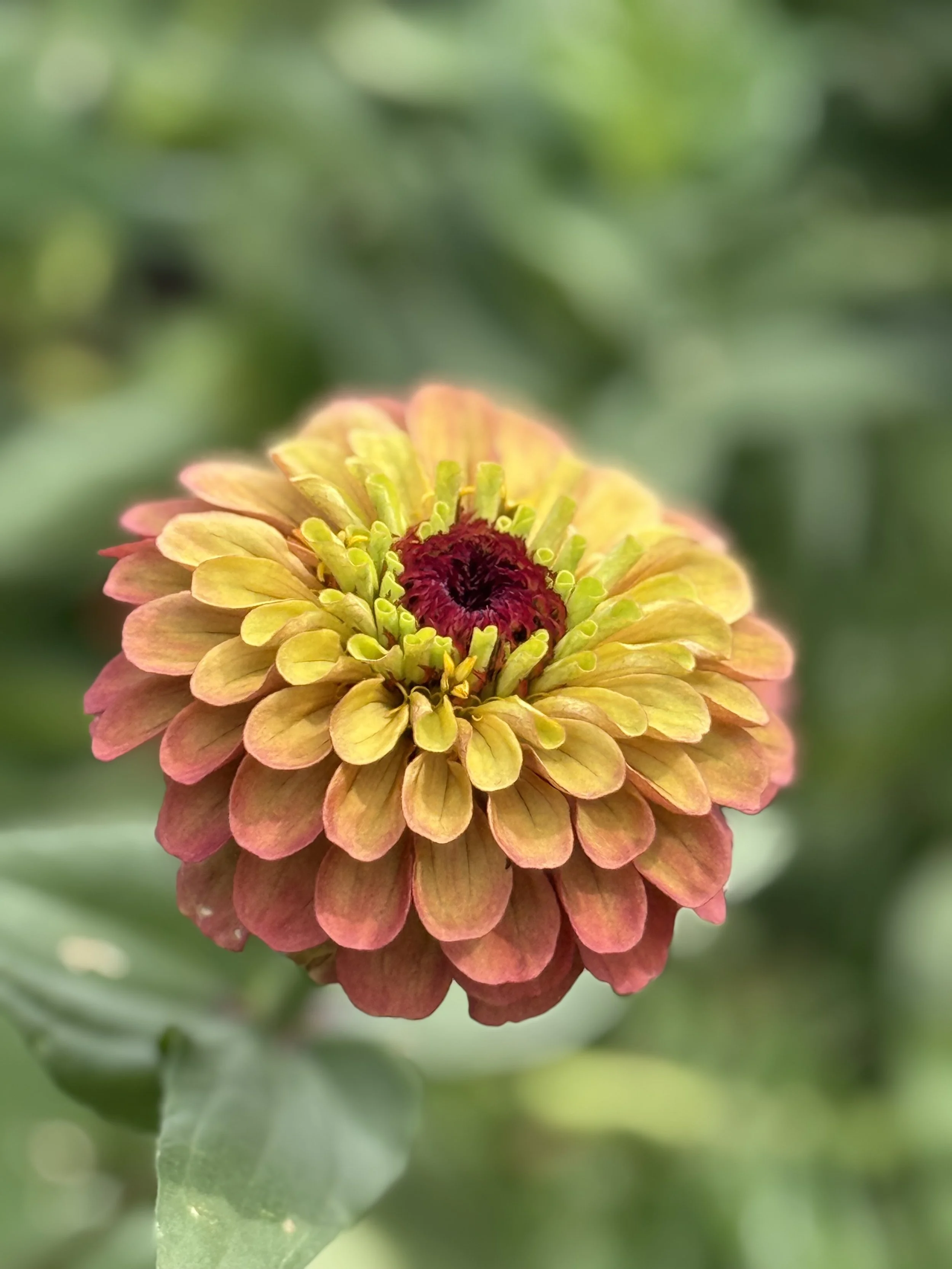
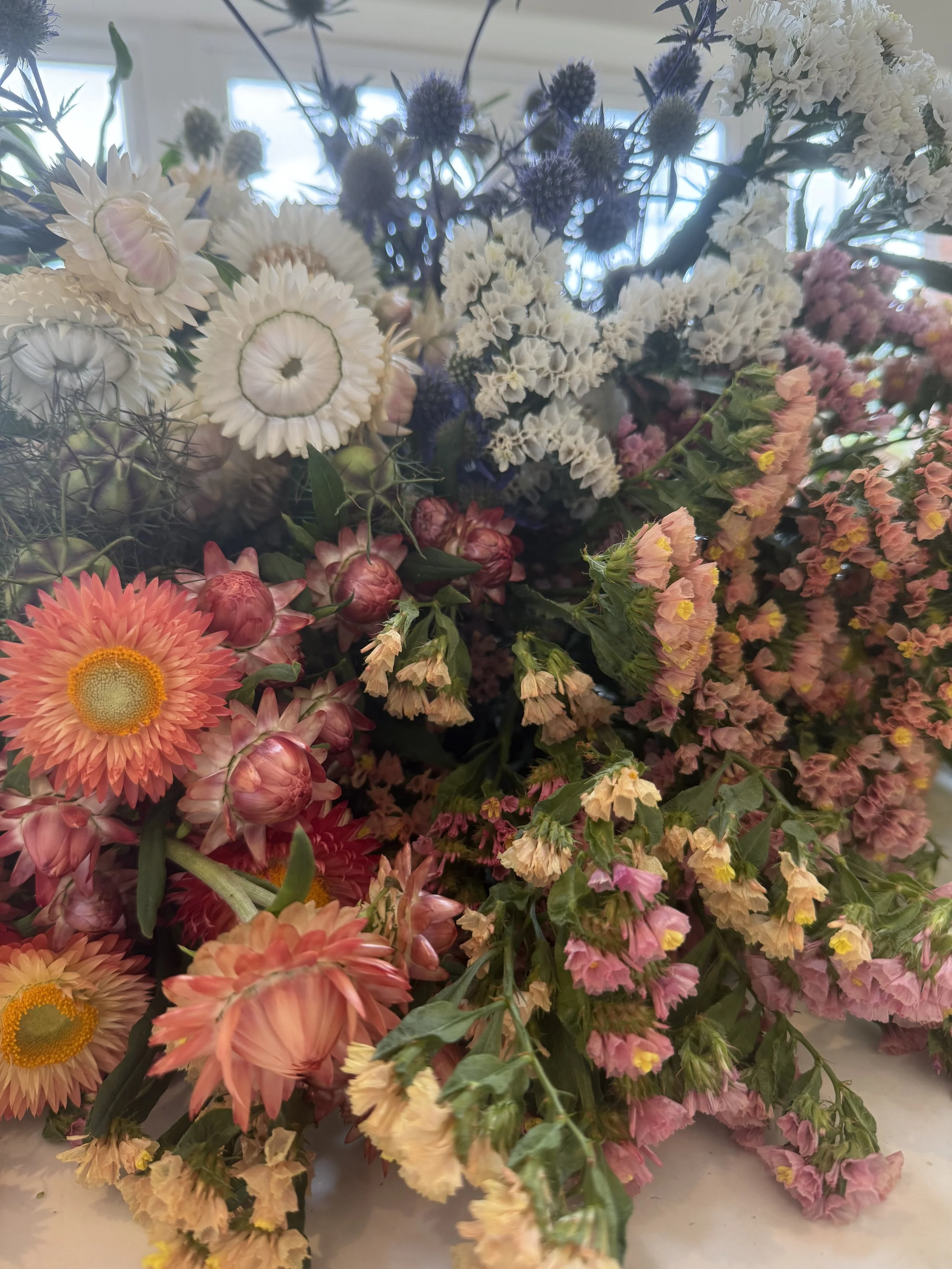
Alongside the star of the show, the Dahlias, there are Strawflowers, Achillea, Scabious, Sunflowers (not your average yellow ones!), Cosmos, Amaranth, Verbena, Larkspur, Statice, snapdragons, ZInnia, Celosia, Lavatera, Eryngium (thistle), Sedum, Phlox, Bells of Ireland, Nicotiana, Mint, Ammi, Grasses, Orach, Asters, with Chrysanthemum and Gladioli beginning to bloom towards the end of the summer.

October/November
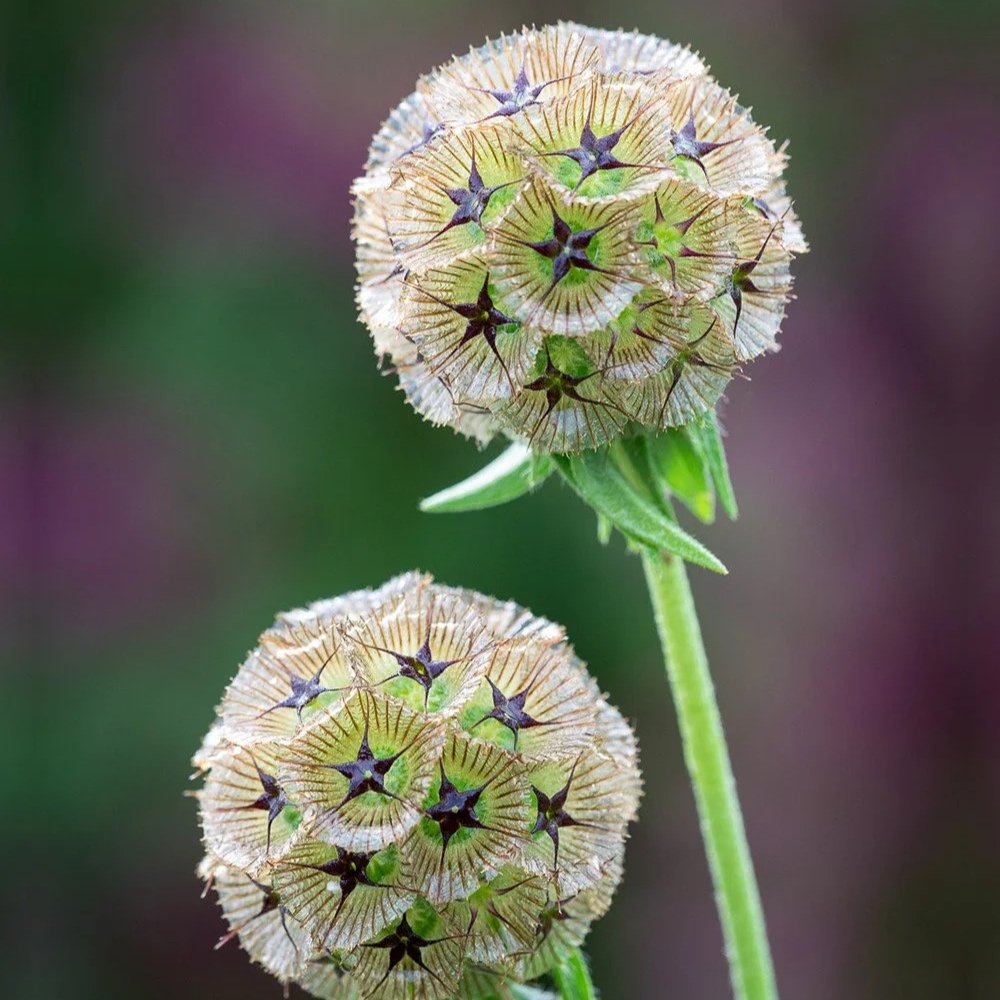
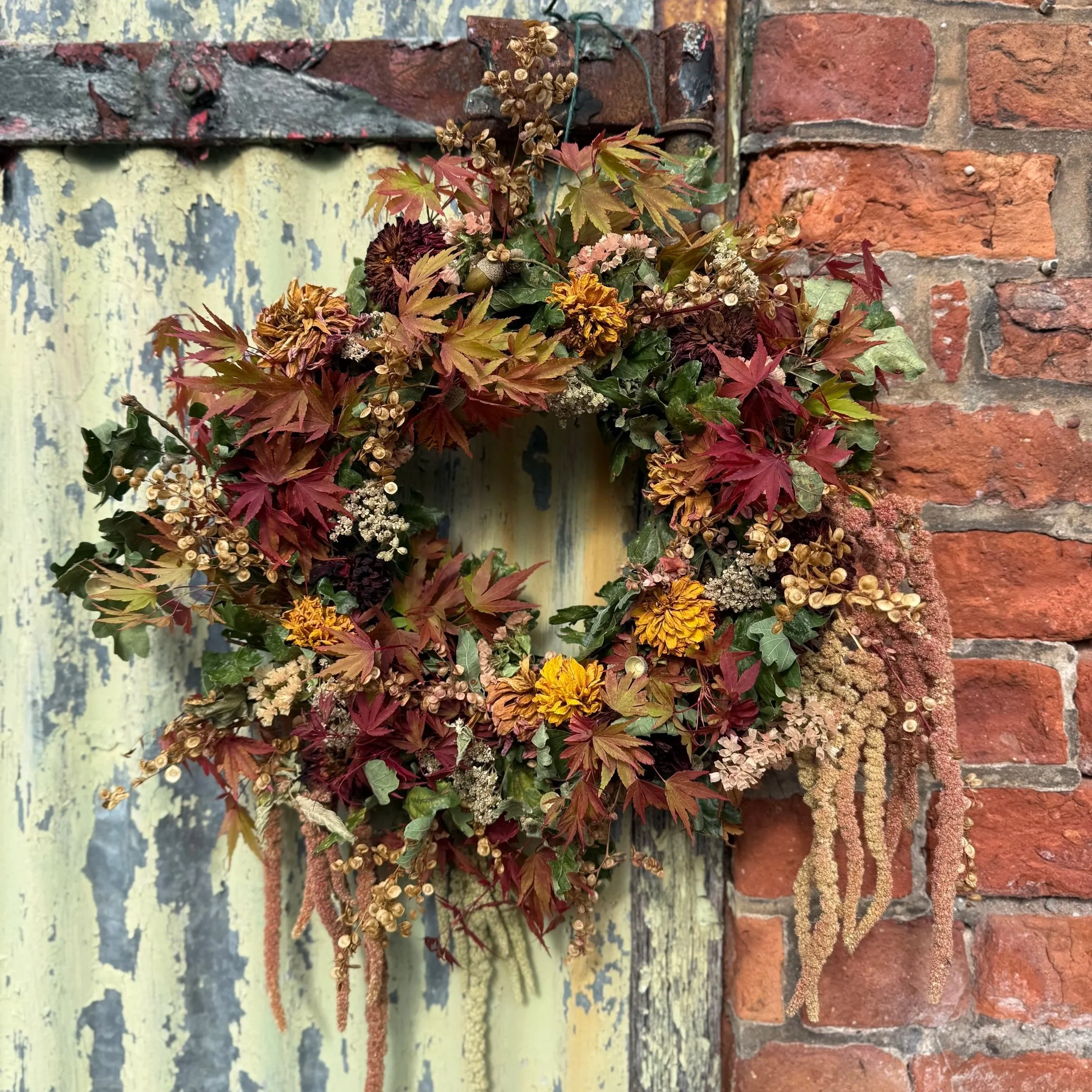
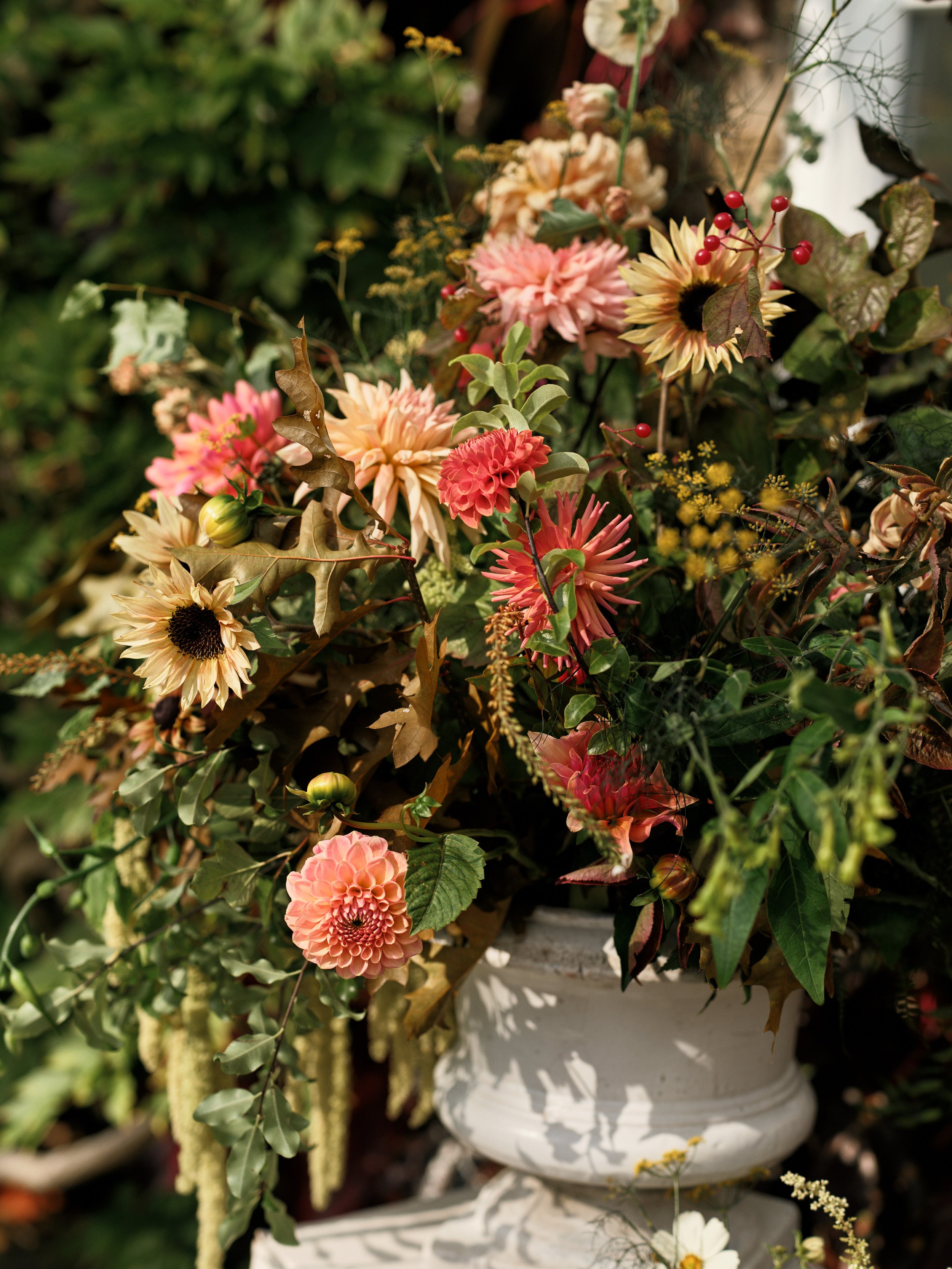
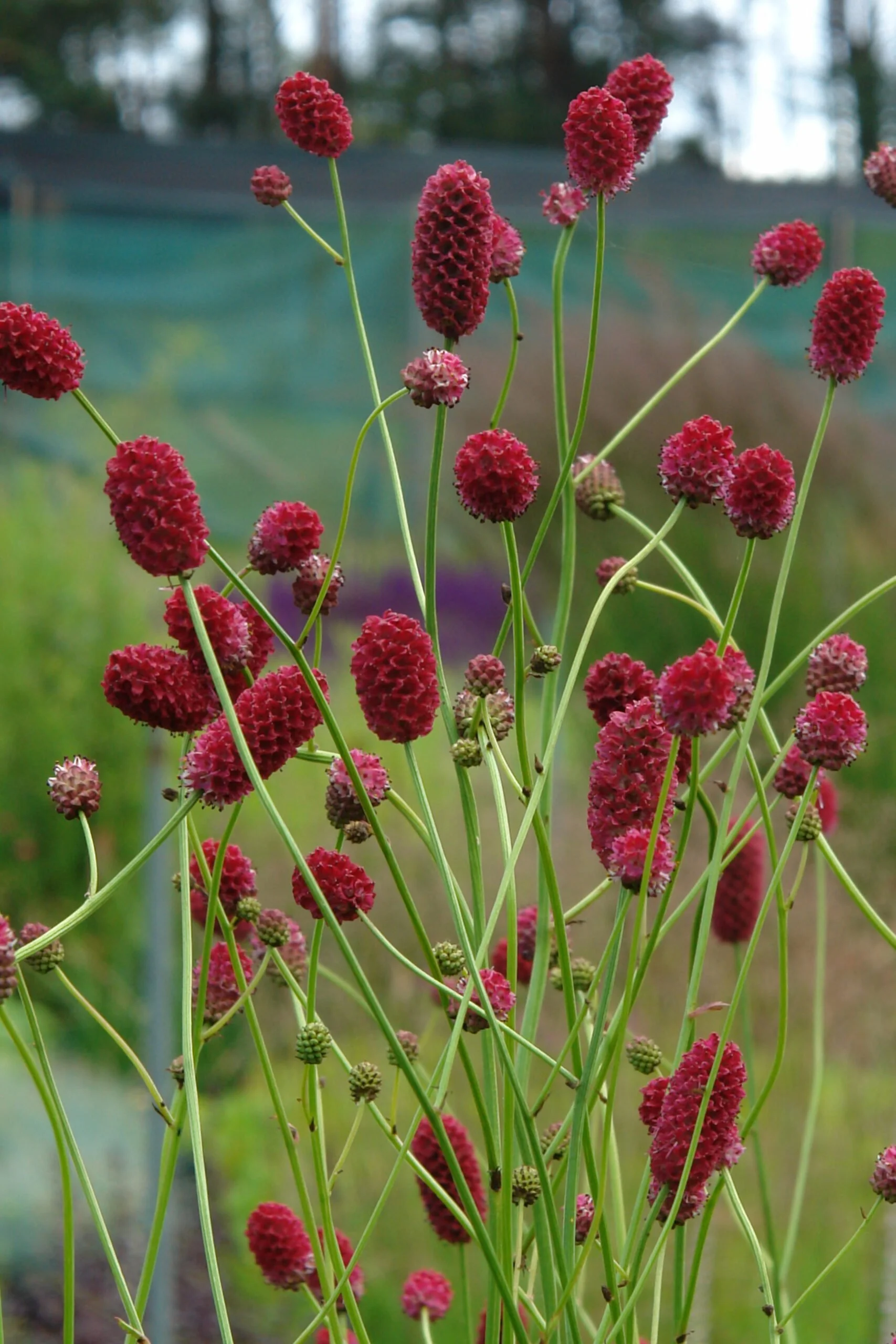
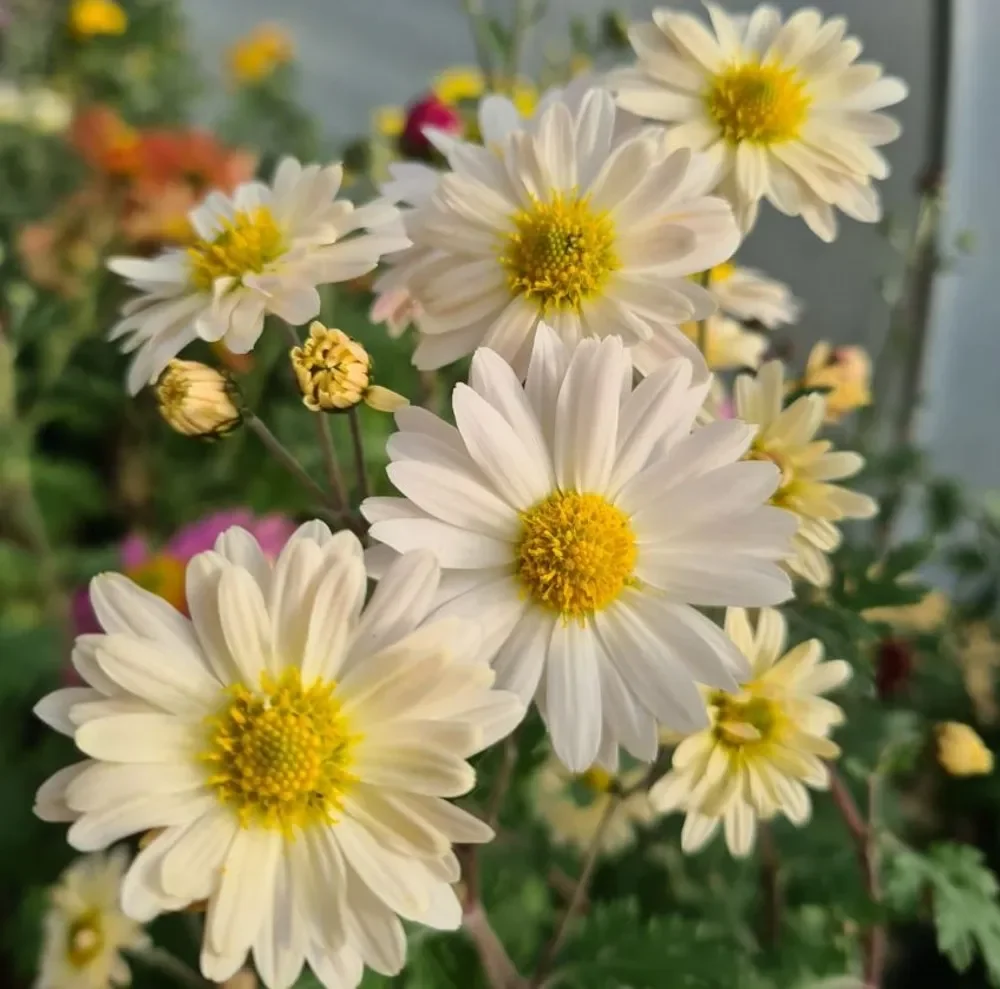
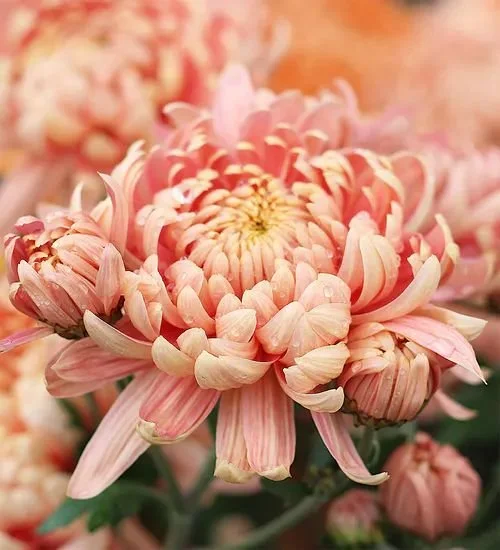
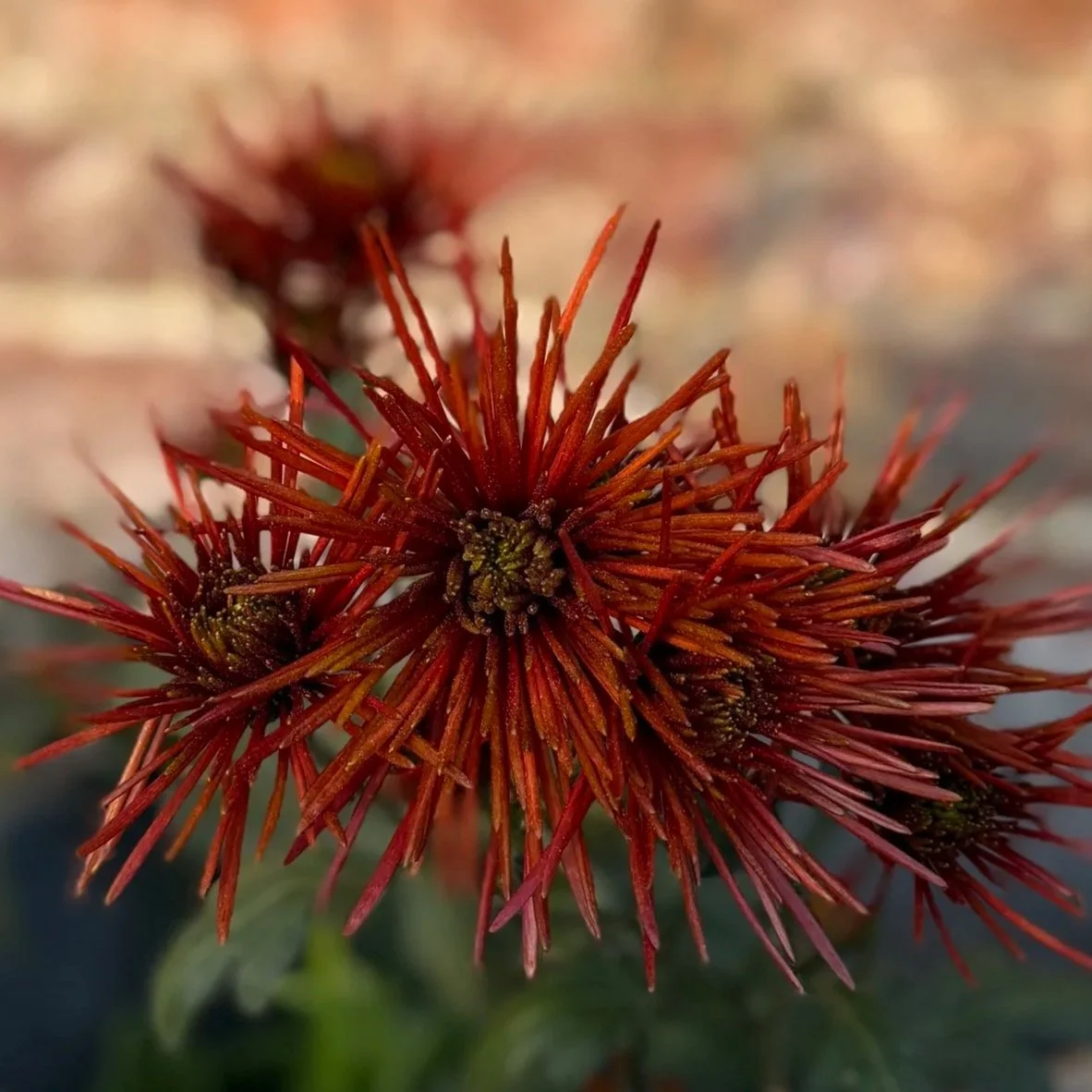
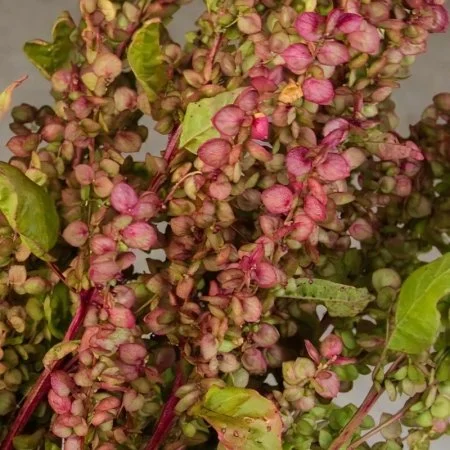
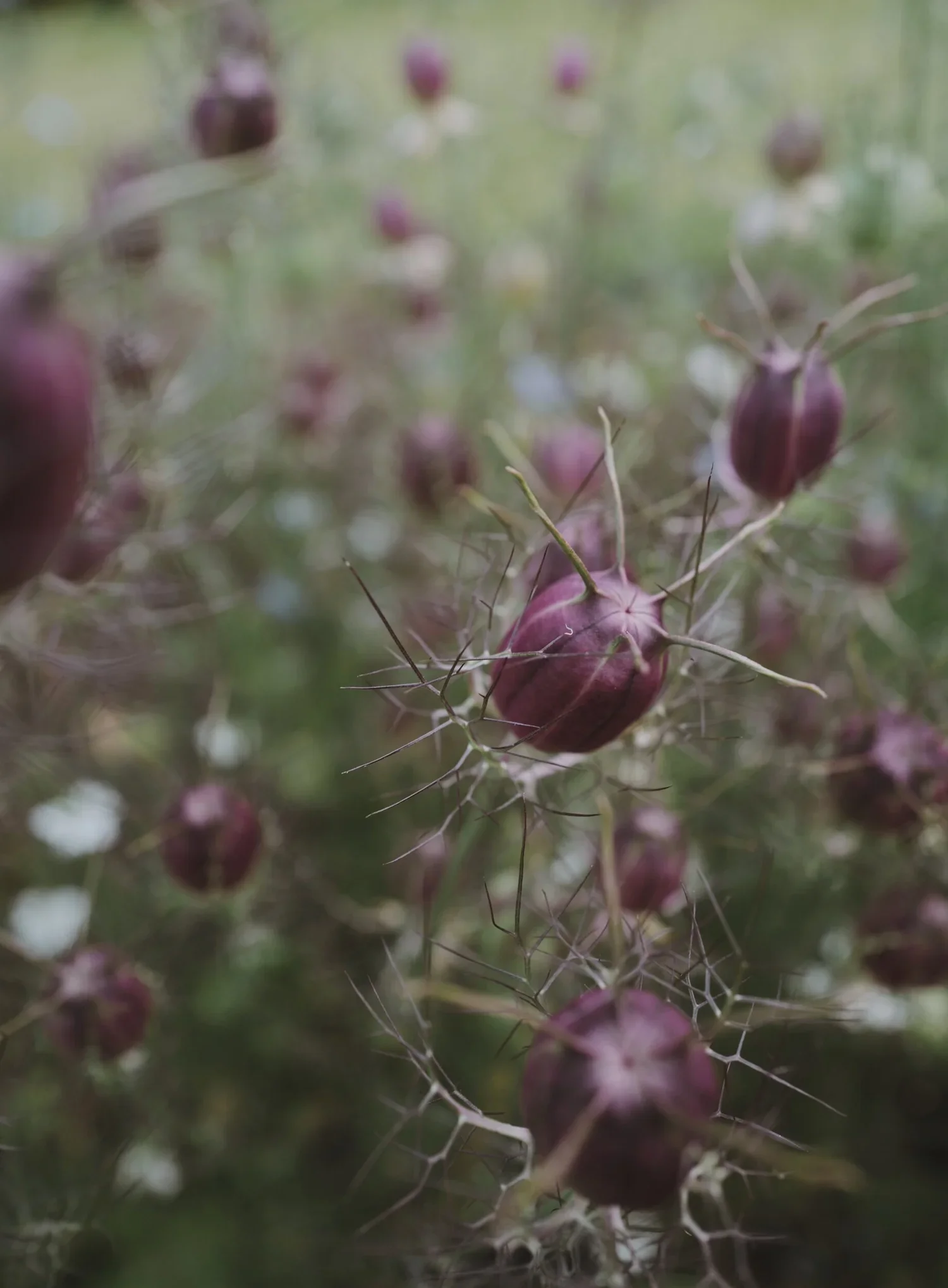
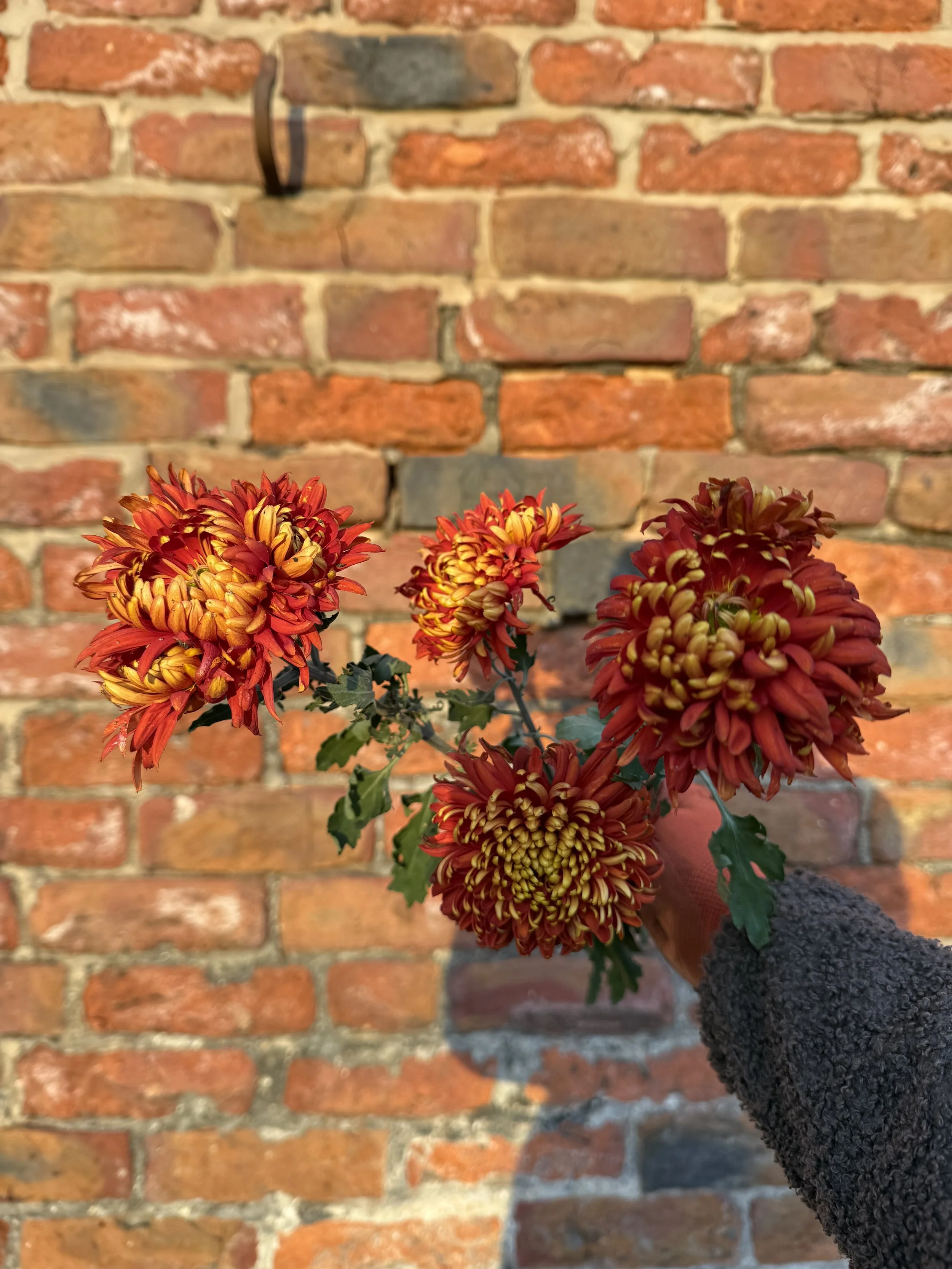
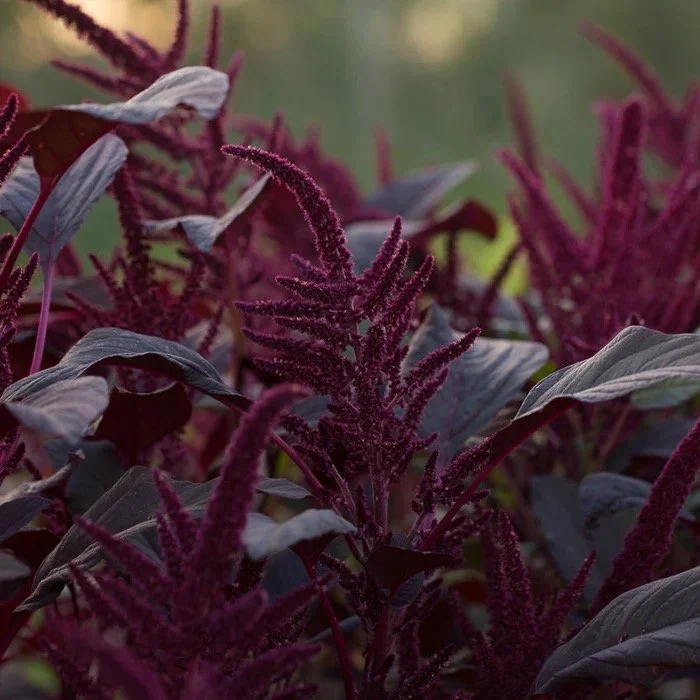
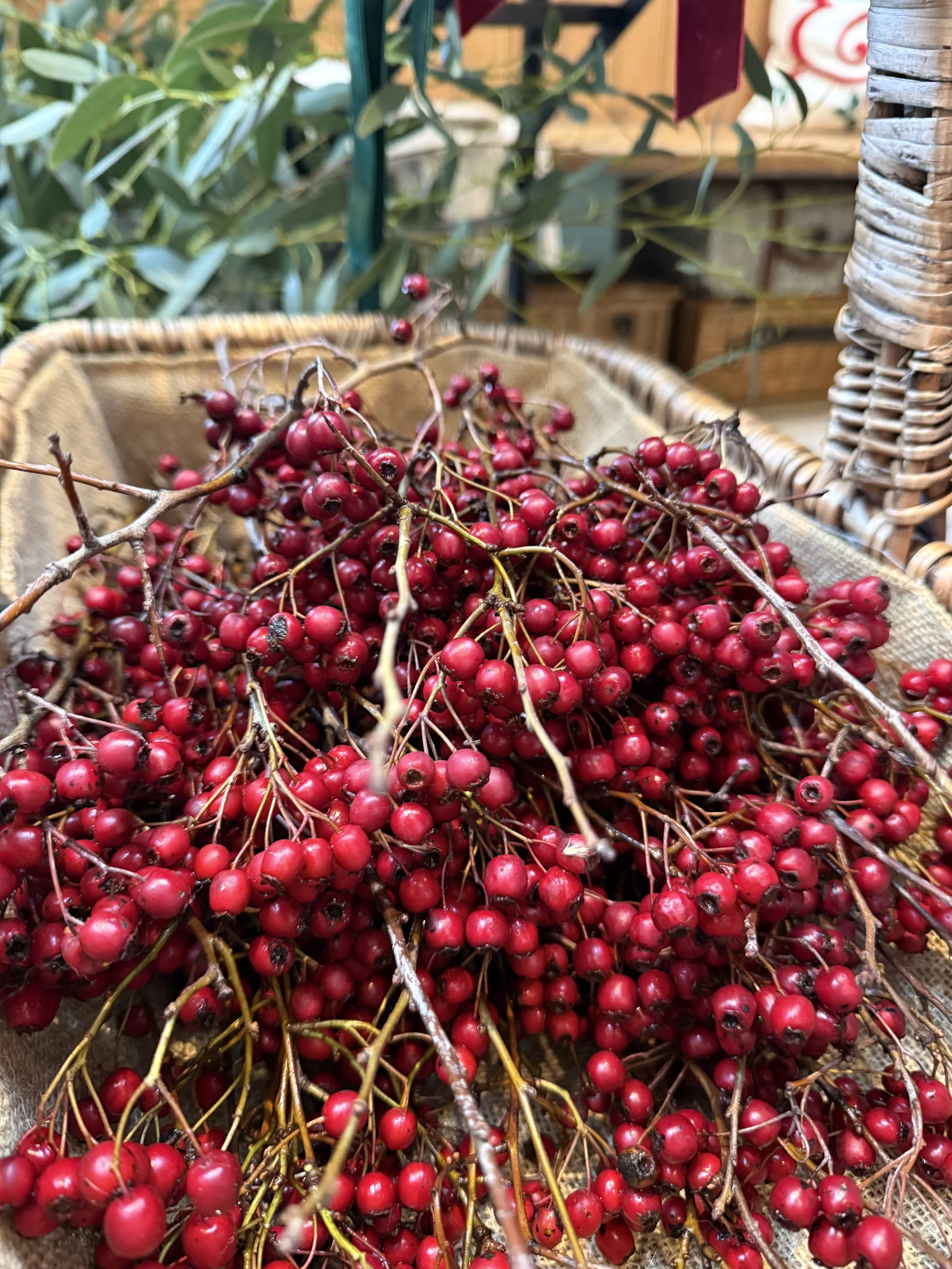
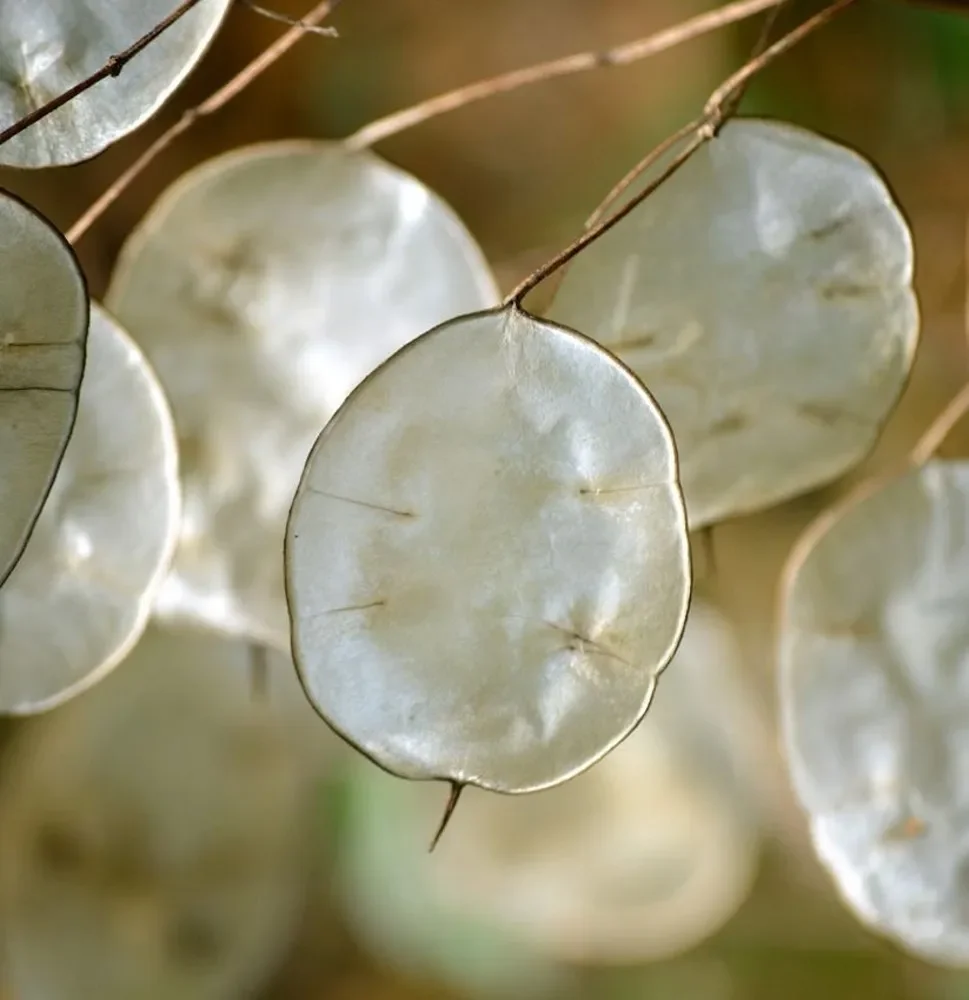
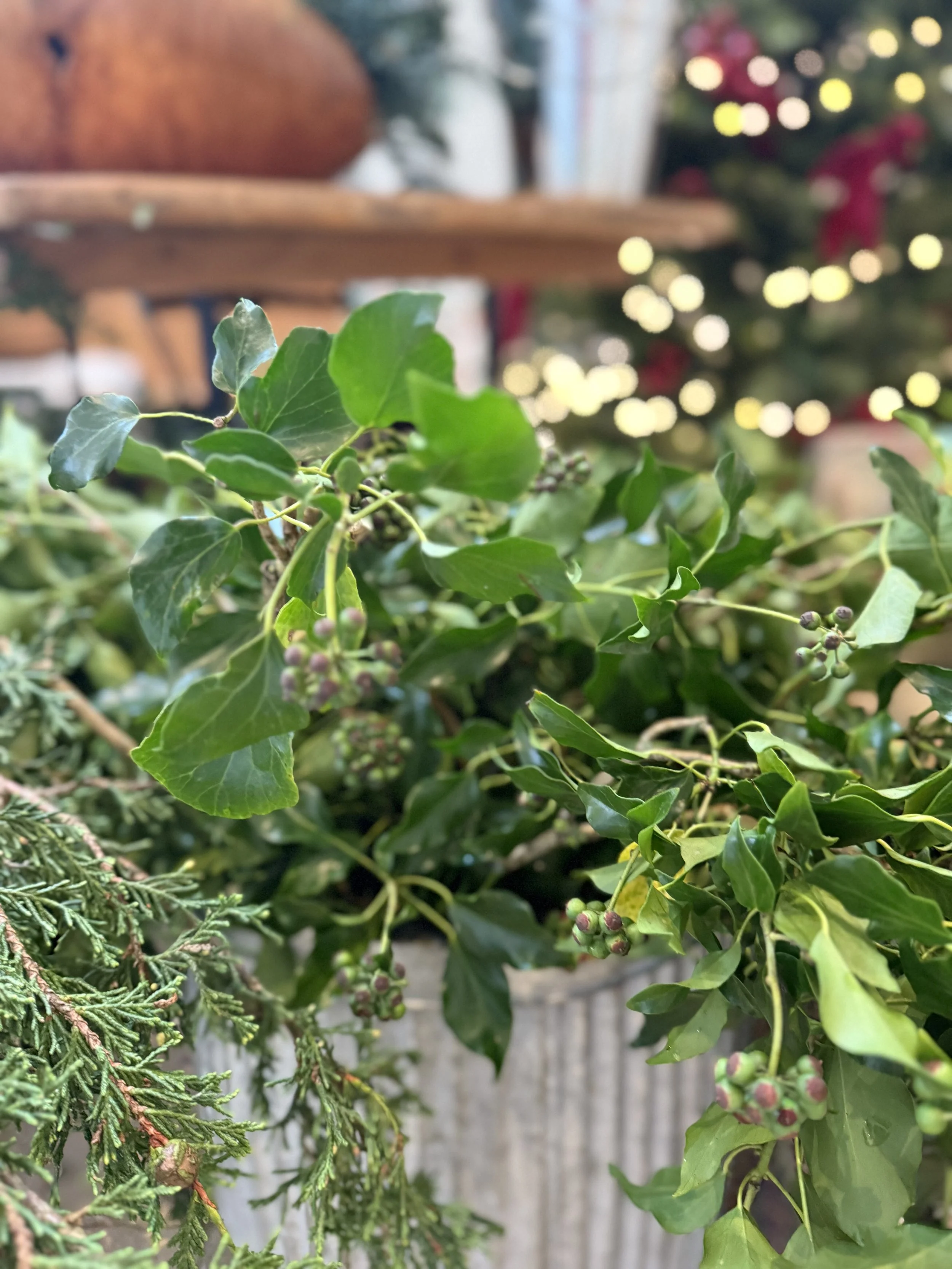
As long as weather conditions are on our side, much of what’s been blooming through the summer will continue through to the Autumn all the way till it is killed by frost (hopefully towards the end of November). I make sure I have varieties in deeper darker colour palettes so that floristry can feel more in tune with the season but of course it’s always nice to have a little pop of colour too. This year I’ve expanded my Chrysanthemum collection and am growing Asters that will hopefully bloom through into the autumn too. It’s also a nice stage of the year to transition towards dried flowers, seed heads and berries. You can see a selection of more Autumnal choices below.
December/January/February
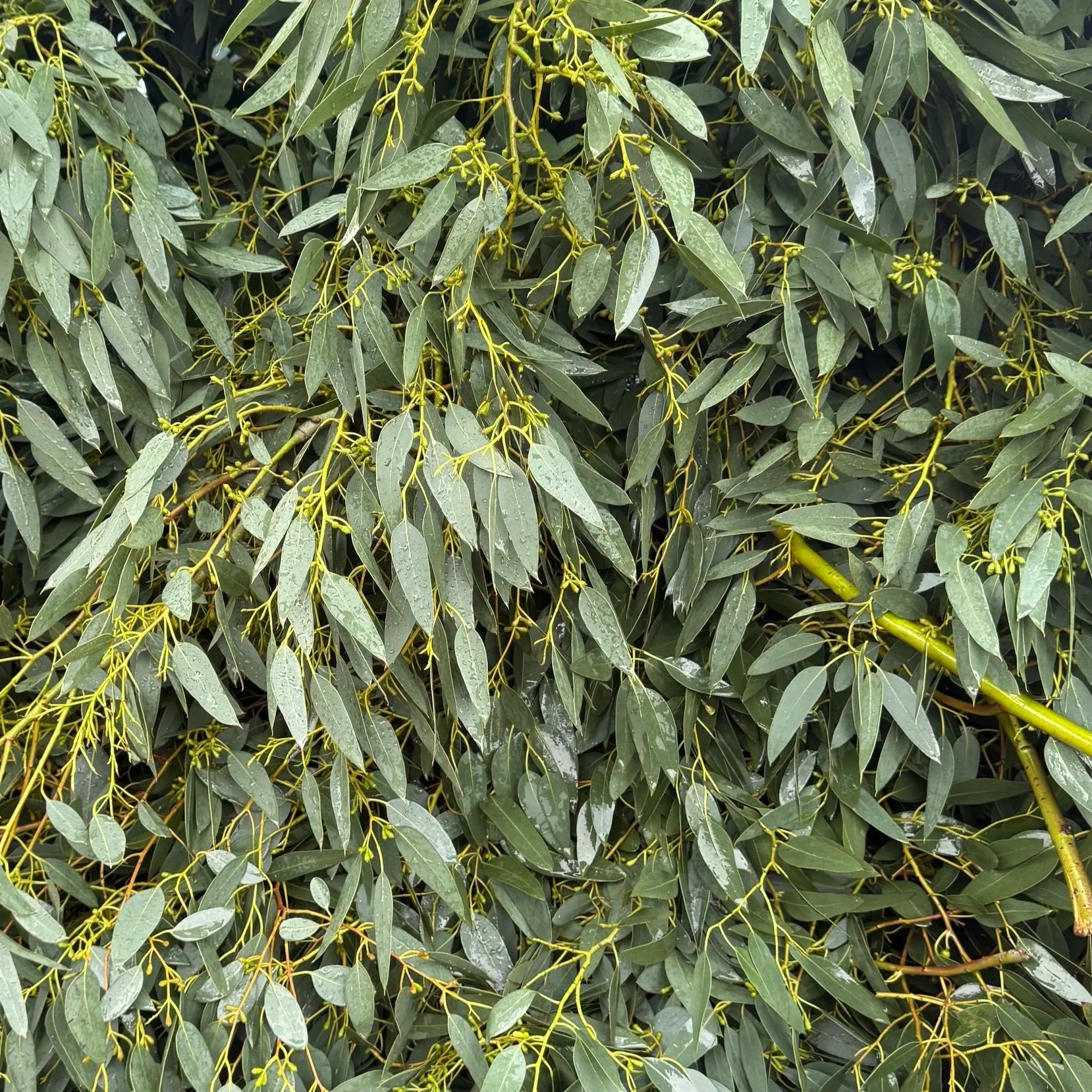
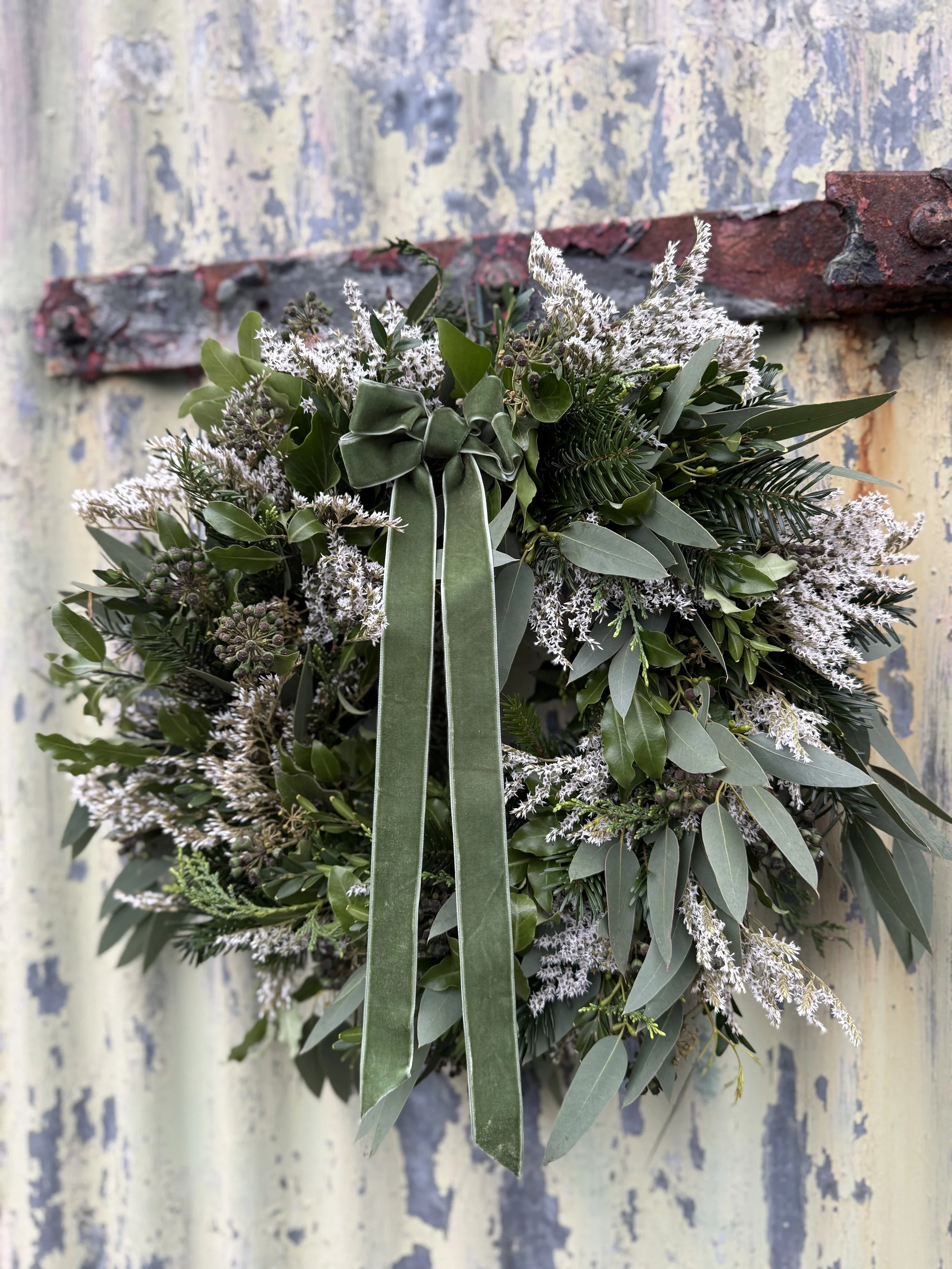
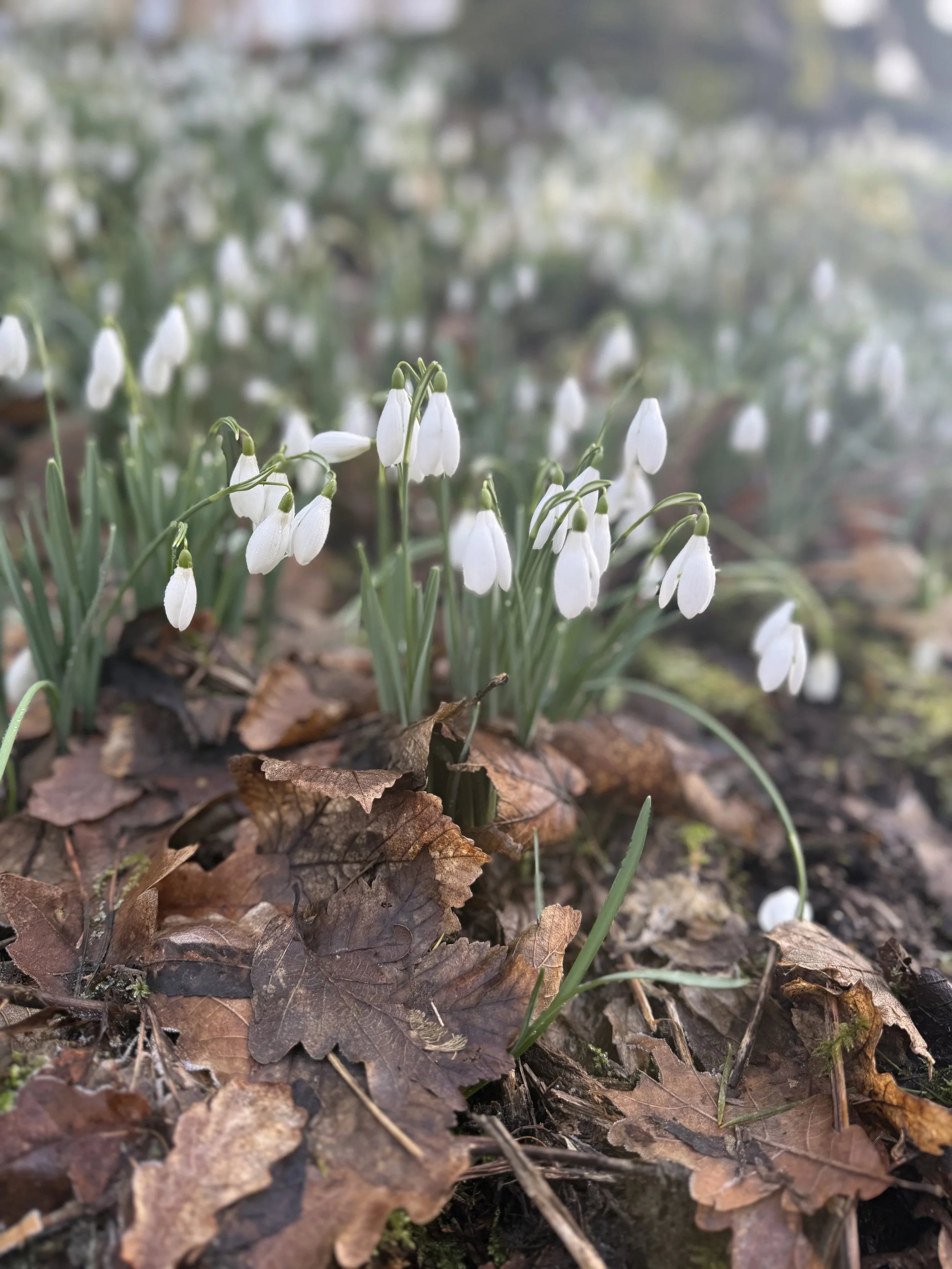
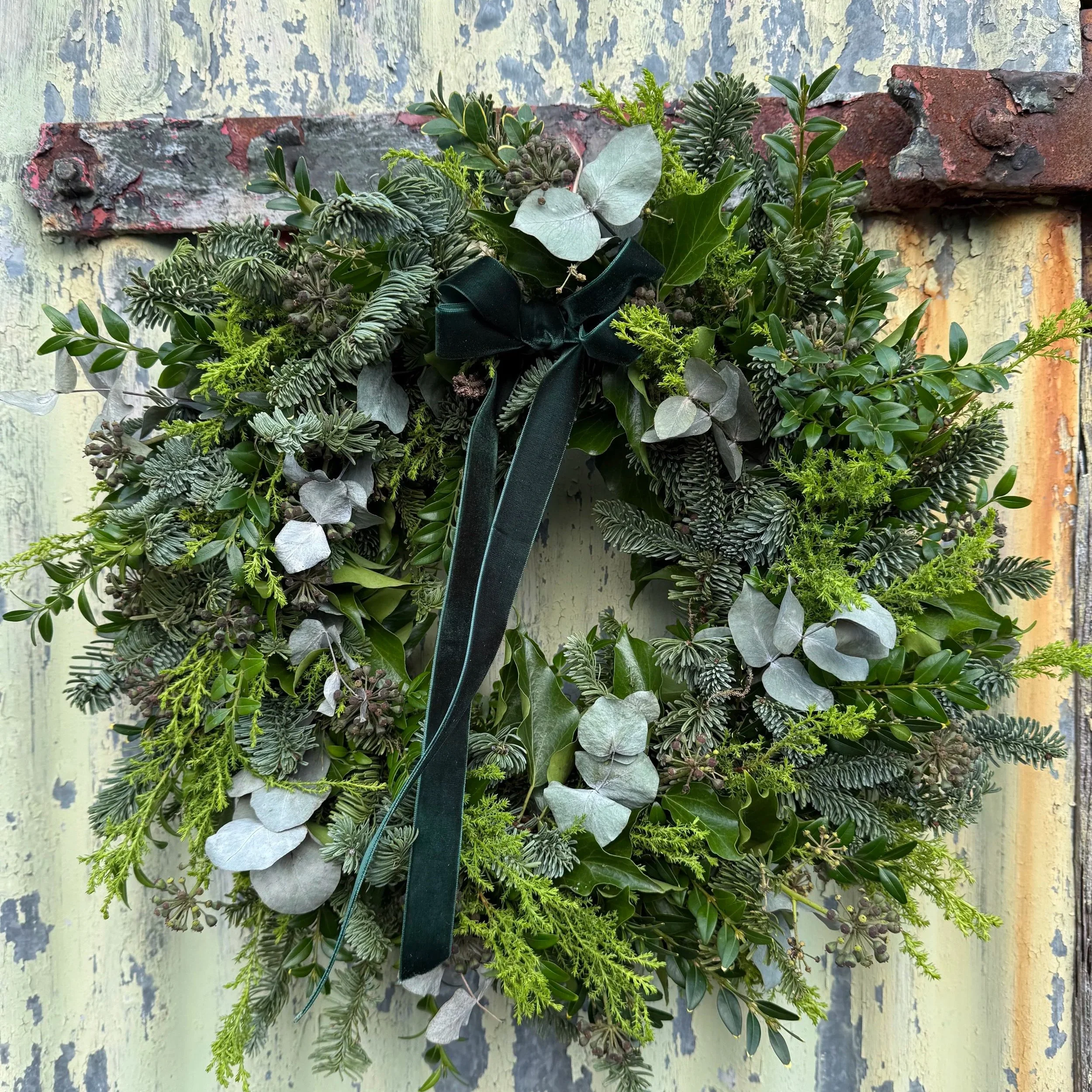
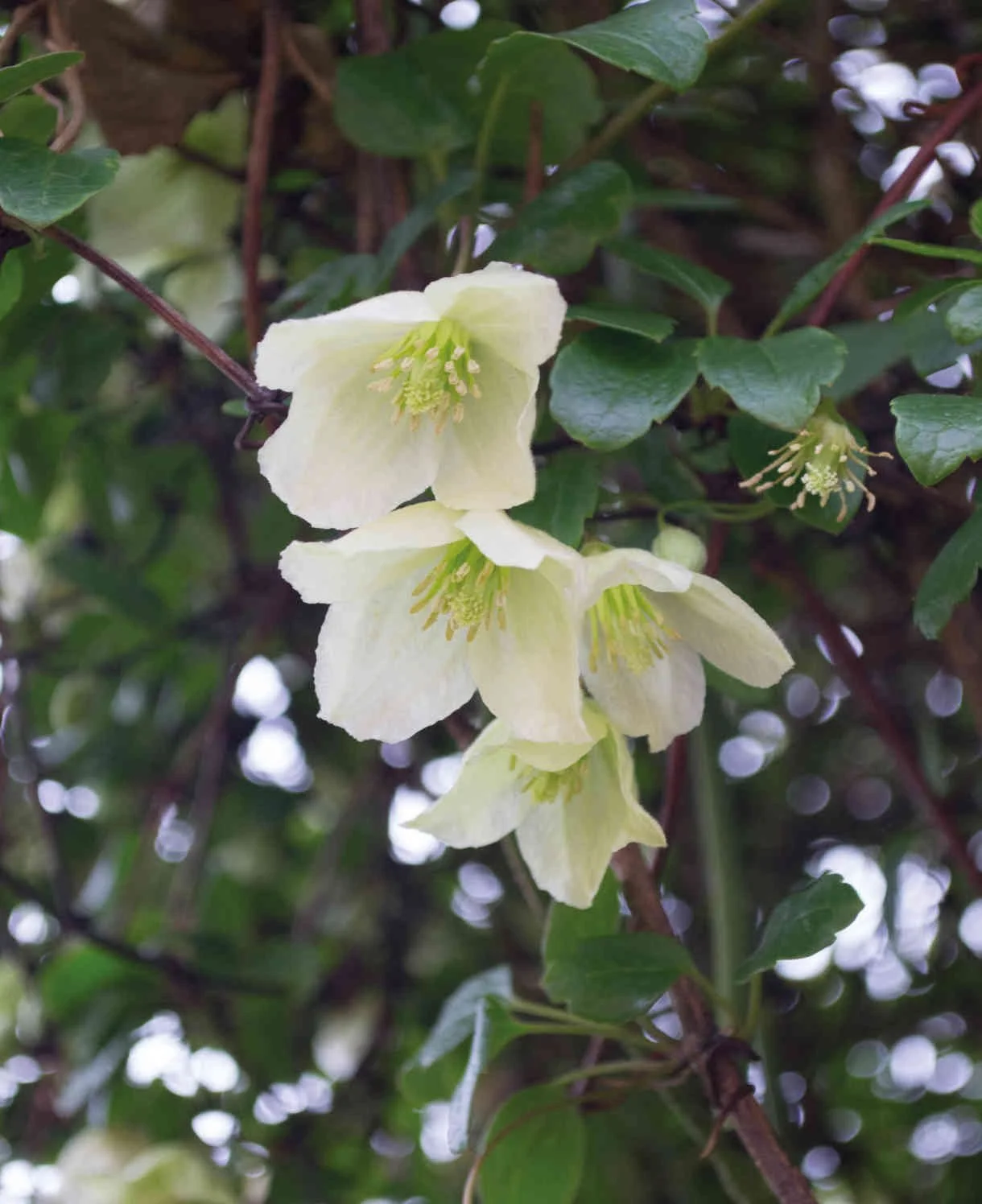
To fill the winter gap through December, January and February, I make sure to dry a good variety of summer blooms and I am working to build up my stocks of plants and shrubs I can cut from for foliage in order to sell wholesale to florists and use myself for wreath making and bouquets. Not long ago I added a cutting hedge to the patch, I’ve got two new areas designated for perennials and shrubs this Autumn and for the many people who asked about whether I was growing Eucalyptus last year, you’ll find 25 (very tiny) trees will have been planted when you next visit. Winter floristry can be just as beautiful as the rest of the year with early flowering Clematis, Viburnum Tinus, Hellebore (Christmas Rose), Snowdrops and lovely Hazel Catkins but I’d be lying if I said there were a wide variety of British Blooms to choose from at that time of year. Larger growers with greenhouses will however have plenty of British grown spring bulb crops coming through by the start of the year so if I need to, I rely on these growers to top up.
I like to try new varieties each year and give myself a challenge. As a relatively new flower farmer I’m also consistently building up my stocks of shrubs, perennials and bulbs etc to create as long as possible a flower season. My next investment will likely be a polytunnel to help towards filling the year full of flowers and extending my growing season.
So the answer to the question is really everything and anything that will grow in the UK with limited inputs that’s useful for floristry. This is by no means an exhaustive list but it should help to give you a good idea of what the field may look like through the season.